


Best Solar Panels for Your Home
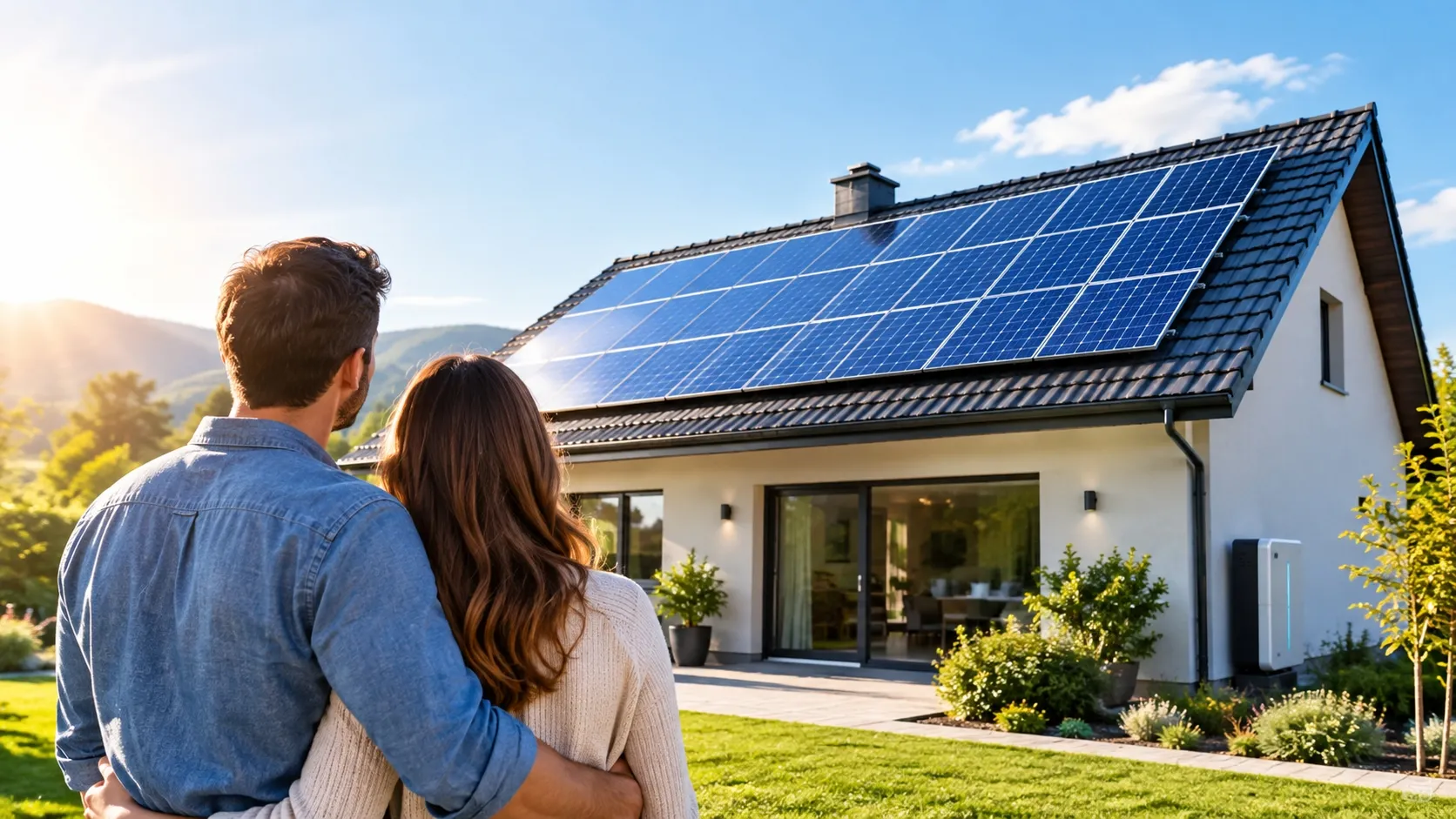
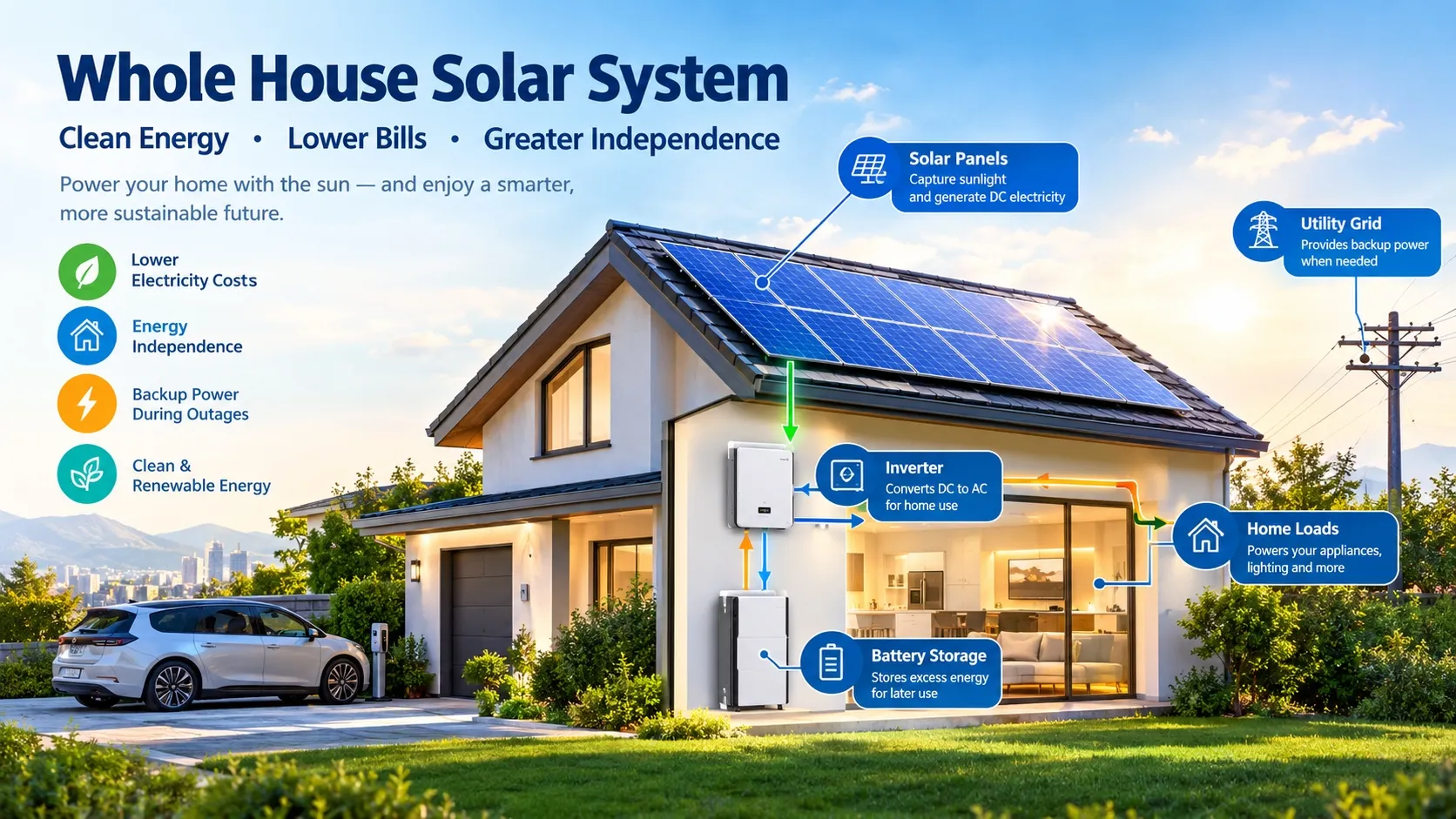
The selection of top solar panels for home use is a crucial one. These solar panels are designed to last for 25 years or more and the cheapest solution is not necessarily the best for the long term. Homeowners should take into account the efficiency, output, longevity, temperature performance, warranties, manufacturer's reputation, installation, and overall system price.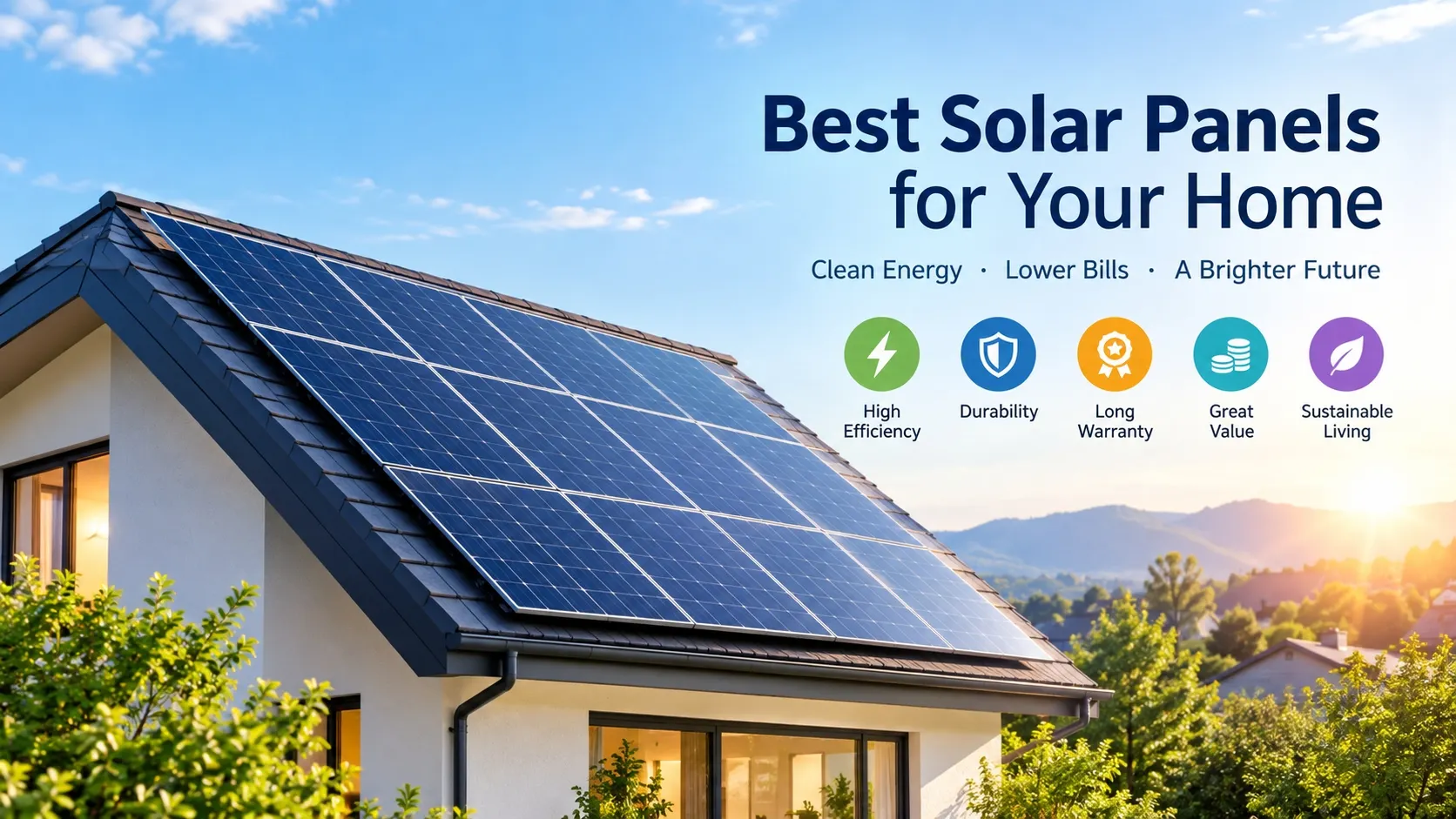
There are numerous solar panel brands and models to choose from; it can be tricky to decide which ones will work for your home. Here is a guide to help you learn what to look for when purchasing residential solar panels and also what you can do prior to signing a solar installation contract in order to compare options.
What Are the Best Solar Panels for a Home?
No solar panel is the best for everyone. This selection will depend on your roof area, how much electricity you use, the climate, budget, energy targets and available sunlight.
Most residential solar panels these days typically achieve efficiencies of more than 20% and there are some high-end options that reach 23% or higher. The increased efficiency means that a panel can produce more electricity from the same roof space, which can be particularly beneficial for homes with limited roof space.
Efficiency, however, is not the only factor for choosing a software. For a slightly less efficient panel, with a better warranty, competitively priced, pat tested manufacturer and experienced installer, it may be more value.
1. Solar Panel Efficiency
Solar panel efficiency is a measure of how well a solar panel converts the sun's energy into electricity.
For instance, the same size roof space could provide more electricity to a panel with a higher efficiency rating.
High efficiency solar panels can be especially beneficial when:
- Your roof has limited usable space
- Your household has high electricity consumption
- You want to maximize energy production
- Your roof contains multiple obstructions
- You want a larger solar system without significantly increasing roof coverage
The efficiency of residential panels has dropped to around 21% to 22% in many panels and is higher than 23% in some newer panels.
Nevertheless, a large increase in the cost of acquiring a small increase in efficiency might not be a good economic choice. The amount of energy produced annually and the cost per watt are far more important to consider than efficiency alone.
2. Power Output Matters
The output of solar panels is measured in watts. Typically, residential panels generate a few hundred watts for every panel.
A higher wattage panel will decrease the number of panels required to achieve a given system size.
Note for instance, that a homeowner wanting to install a 10kW system may be able to install fewer high output panels as opposed to lower output panels. The number of panels can help to streamline roof design and installation, but the size of the panels and the structure of the system are also crucial factors.
When comparing products, consider both the wattage and the size of the product. If that's the case, a 450 watt panel that is much larger might not offer the same roof space gain as a different panel that has a similar watts output, but a smaller footprint.
3. Temperature Coefficient
Solar panels are directly exposed to sunlight, causing them to be hot during use. The higher the temperature of the panel, the less electricity it produces.
The temperature coefficient represents the percentage of power loss when the temperature of a panel is increased from standard testing conditions.
It is an important specification in warm climates. For high summer temperatures, temperature coefficients can provide insight into the performance of various panels in actual service.
The performance of panels under standard laboratory conditions should thus be compared with the operating conditions in hot regions.
4. Solar Panel Degradation
Other than the warranty, solar panels generally do not end their service. Rather, they slowly degrade in their electricity generating ability over time.
This is known as degradation.
A panel that has a lower annual degradation rate will have a higher power output after decades. SolarReviews mentions that the industry has found a benchmark of 0.4% degradation per year to be a good guideline, but rates can differ depending on the manufacturer and model.
Carefully examine the performance warranty of two solar panels. The power output guarantee is available after 25 or 30 years.
This is helpful for longterm planning rather than comparing the panel's rated wattage.
5. Solar Panel Warranty
There are typically two critical components in a solar panel warranty – a product warranty and a performance warranty.
The product guarantee normally covers manufacturing defects and some material or workmanship issue.
The performance warranty is related to the amount of electricity that the panel is capable of generating in time.
The warranty period for many residential solar panels is 25 years, and some manufacturers provide longer warranties. But this is not the only factor to consider when selecting a warranty.
Before buying, check:
- Product warranty length
- Performance warranty length
- Guaranteed power output
- Annual degradation rate
- Warranty exclusions
- Who handles warranty claims
- Manufacturer financial stability
- Whether the warranty is transferable
A long warranty is more meaningful when the manufacturer has the resources and support network to honor it.
6. Manufacturer Reputation
Solar panels are an investment for the long haul, and the company that is producing the product is important.
A recent analysis of residential panels by SolarReviews has seen established companies like Canadian Solar, JA Solar, Qcells, Silfab, Jinko Solar, Panasonic, REC, Trina Solar, SEG Solar and Longi Solar stand out.
But brand selection cannot be just done on the basis of a ranking.
Look at the company's:
- Manufacturing history
- Product availability
- Warranty support
- Financial condition
- Installer network
- Product testing
- Customer feedback
- Presence in your local market
The solar industry changes quickly, so homeowners should verify current product availability and warranty terms before purchasing.
7. Price per Watt
It is typical to compare solar panel prices based on dollars per watt.
For instance, a module of 400 watts with a $0.40 per watt price would have an equipment cost of ~$160 before other costs and expenses of the system.
However, homeowners shouldn't base their pricing comparisons solely on the price of panels.
A complete solar installation may include:
- Solar panels
- Inverters or microinverters
- Mounting equipment
- Electrical equipment
- Labor
- Permits
- Design and engineering
- Monitoring equipment
- Battery storage, if included
The lowest-cost panel does not necessarily produce the lowest total cost of ownership.
8. Consider Your Roof and Local Climate
The best solar panel for one house may not be ideal for another.
Roof orientation, shading, roof pitch, available area, local weather, and temperature can all influence solar production.
For example, homeowners with limited roof space may prioritize efficiency and high power density. Homes in extremely hot climates may pay more attention to temperature performance. Properties exposed to strong winds or severe weather should also consider durability ratings and installation standards.
Your installer should evaluate the roof and model expected energy production before recommending a final panel configuration.
9. The Installer Is Just as Important as the Panel
Buying a high-quality solar panel does not guarantee a high-quality solar installation.
Installation affects system performance, safety, roof integrity, electrical connections, and long-term maintenance.
When comparing solar quotes, evaluate the installer as carefully as the equipment.
Ask about:
- Installation experience
- Licensing and certifications
- Workmanship warranty
- Equipment brands
- Project timeline
- Monitoring system
- Maintenance procedures
- Warranty claim support
A reputable installer should be able to explain why a particular panel is suitable for your property rather than simply recommending the highest-priced equipment.
10. How to Choose the Best Solar Panels for Your Home
A practical comparison should consider the entire system rather than one specification.
Start by determining your annual electricity consumption and available roof area. Then compare several solar proposals using the same system size whenever possible.
Pay attention to:
Efficiency: How much electricity can the panel generate from a given area?
Power output: How many watts does each module produce?
Temperature coefficient: How does performance change as temperatures rise?
Degradation: How much production is expected to decline over time?
Warranty: What protection is provided for equipment and long-term output?
Price: What is the total installed cost?
Manufacturer: Does the company have a reliable history and warranty support?
Installer: Who will design, install, and service the system?
Final Thoughts
The most efficient and least expensive solar panels are not necessarily the best for your house. The key factors for a good residential solar system include the type of solar panels used, the quality of the solar energy equipment, the installation of the solar system, the warranty provided by the solar energy company, and the design of the solar system.
Today's quality solar panels from trusted brands can generate electricity for years and years. Rather than being concerned with a single specification, be concerned with efficiency, watts, degradation, temperature performance, warranty terms, manufacturer reputation and the total cost of installation.
Most importantly: get several solar quotes, and compare the actual equipment, system size, estimated annual production, warranties, and installation services. This can help you choose a solar panel system that suits your home needs, offers good performance, reliability, and sustainability.
Share on Social:


In This Article
- 1 What Are the Best Solar Panels for a Home?
- 2 1. Solar Panel Efficiency
- 3 2. Power Output Matters
- 4 3. Temperature Coefficient
- 5 4. Solar Panel Degradation
- 6 5. Solar Panel Warranty
- 7 6. Manufacturer Reputation
- 8 7. Price per Watt
- 9 8. Consider Your Roof and Local Climate
- 10 9. The Installer Is Just as Important as the Panel
- 11 10. How to Choose the Best Solar Panels for Your Home
- 12 Final Thoughts
