


Solar Panel Cost Breakdown: Prices, Installation and Savings
Solar panel installations are becoming more and more prevalent for homeowners looking to cut down on their electric bills and produce renewable energy while also increasing their independence from electrical power. But cost of a solar power system is not simply the cost of the panels.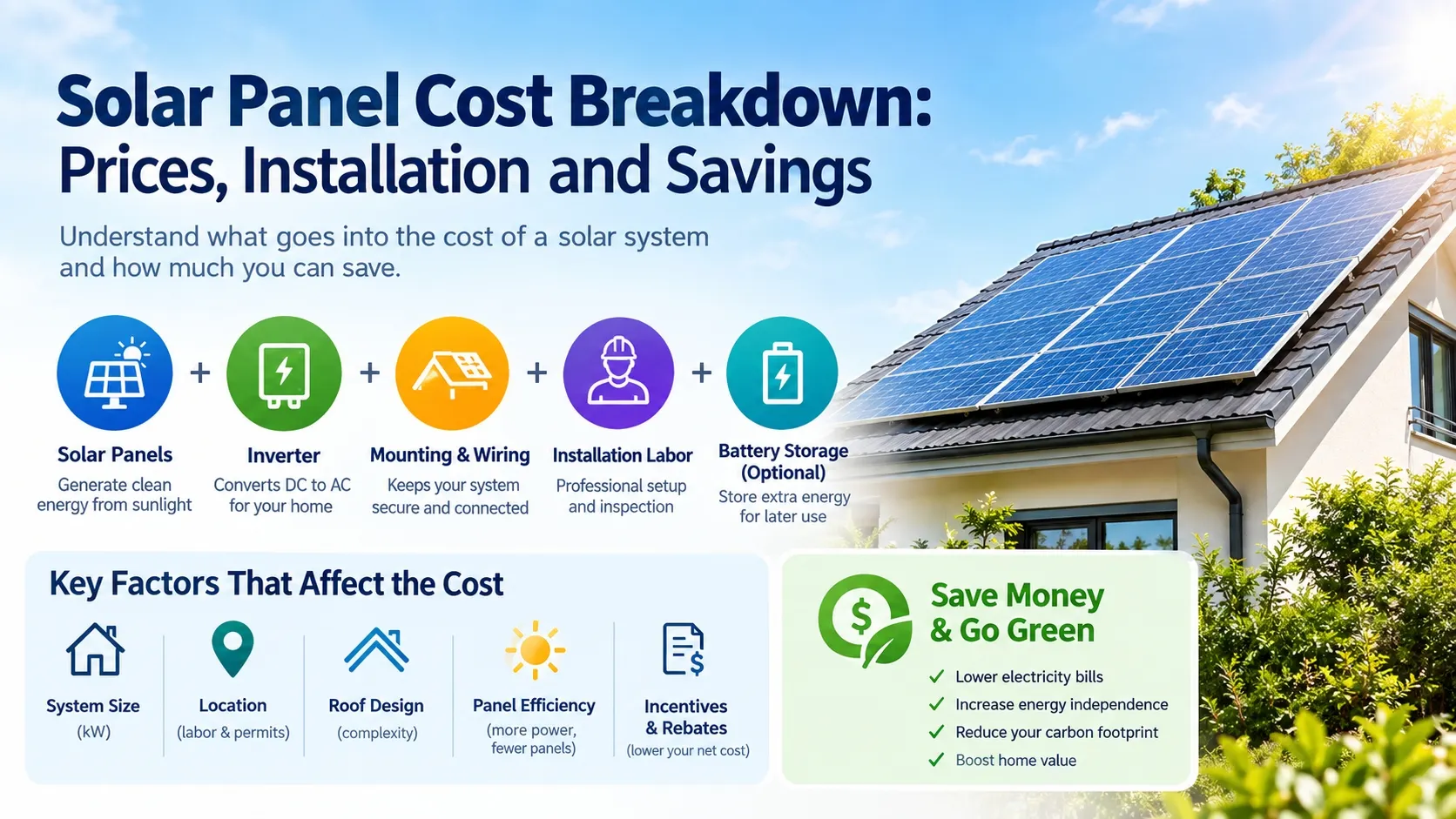
Therefore, what is the cost of solar panels? This is a variable answer based on system size, equipment, complexity of installation, location, permitting, financing, battery storage and incentives.
The total cost of a solar PV system for a home can be anywhere from about $2.74 to $3.30 per watt, according to the studies conducted by the U.S. Department of Energy that Tesla cited. An 8kW solar PV system for a residential installation at this distance would cost approximately $21,900 to $26,400 (before incentives). The actual prices will vary from project to project and from place to place.
You will find out in this guide the key elements that make up the price of solar panels and what to look for when comparing solar quotes.
What Is Included in Solar Panel Installation Costs?
A residential solar system consists of several major components. Understanding each one can help homeowners determine whether a solar quote represents the complete cost of installation.
1. Solar Panels
Solar panels are the most visible part of a photovoltaic system. They convert sunlight into direct-current electricity that can be used by the home after conversion through an inverter.
The number of panels required depends on:
- Household electricity consumption
- Panel power output
- Roof size and orientation
- Local sunlight conditions
- Desired solar production
- Available roof space
Higher-efficiency panels can produce more electricity from a smaller roof area. Although premium panels may have a higher upfront price, fewer panels may be required to meet the home's energy requirements.
2. Solar Inverter
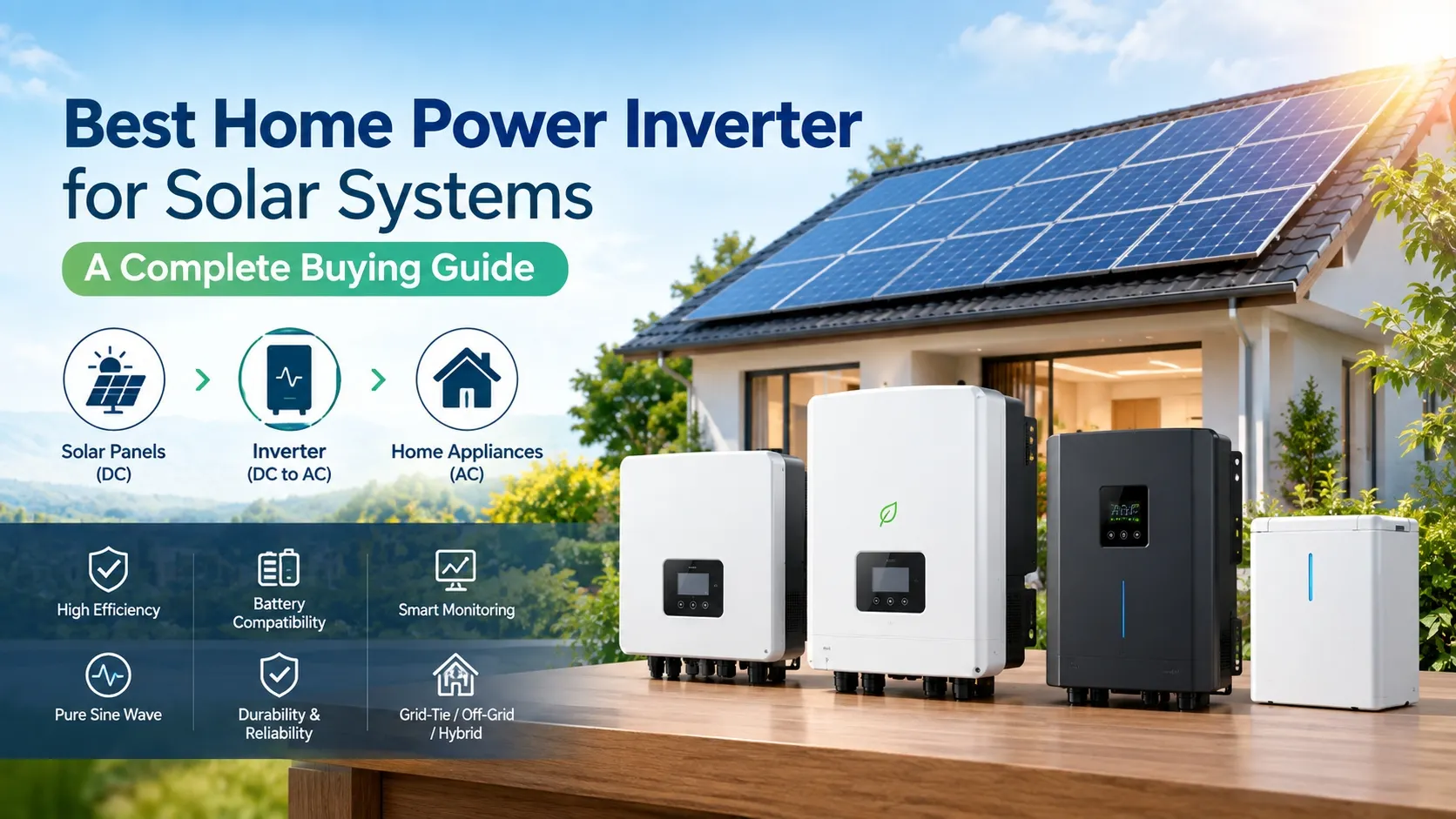
Solar panels generate DC electricity, while most household appliances use AC electricity. A solar inverter converts the electricity into a form that can be used by the home's electrical system.
The inverter is therefore an essential part of the solar installation. Its capacity must be matched to the size and design of the photovoltaic system.
3. Mounting Hardware, Wiring and Electrical Equipment
The balance-of-system equipment, such as mounting structures, electrical wiring, conduit, etc. also must be installed in a complete solar installation.
Panels are securely attached to the roof with mounting hardware, and the panels are wired to the inverter, electrical panel, and possibly the utility grid.
Electricity generation and system performance can also be monitored, with their equipment included so homeowners can keep an eye on the system.
Materials cost are about 43% of the total cost for solar installations in the home, according to data from the U.S. Department of Energy, Tesla says.
How Much Does Solar Installation Labor Cost?
The installation of solar panels isn't just about mounting them on a roof. Professional installers must inspect, approve and install electrical equipment, design and evaluate the property.
The breakdown of the costs for Tesla is that the installation labor is about 7% of the expenses, and the design, engineering, control, permitting and overhead expenses are about 28%. These percentages are applicable to the industry cost structure and not to the specific project.
A professional solar installation may consist of the following:
- Roof and site assessment
- Structural engineering
- Electrical system design
- Solar system design
- Building permits
- Electrical permits
- Utility approval
- Inspection
- System commissioning
These soft costs can make a significant difference when comparing solar installation quotes.
What Factors Affect Solar Panel Cost?
There is no single solar panel price that applies to every home. Several variables influence the final project cost.
System Size
The larger the home's electricity demand, the larger the solar system may need to be.
For example, a home with high air-conditioning use, electric vehicles or multiple occupants may require more solar capacity than a small, energy-efficient property.
Solar system capacity is normally expressed in kilowatts (kW). Comparing the total system price on a cost-per-watt basis can make different solar quotes easier to evaluate.
Location
Where you live can significantly influence both installation costs and energy production.
Labor rates, permitting requirements, utility rules and local market conditions vary by state and city. Tesla's published examples for 8 kW or larger systems show different average prices per watt across several U.S. states, demonstrating how regional costs can vary.
Location also affects solar production. A home with excellent sunlight exposure may generate more electricity from the same system size than a property with significant shading.
Roof Design and Installation Complexity
A simple, open roof can generally be easier to install than a complicated roof with multiple sections, steep slopes or limited access.
Installation may become more expensive when a project requires:
- Multiple roof surfaces
- Steep roof pitches
- Additional structural work
- Electrical upgrades
- Long wiring runs
- Specialized installation equipment
- Difficult site access
Before purchasing solar, homeowners should have the roof and electrical system professionally evaluated.
Does Solar Battery Storage Increase the Cost?
Adding a home battery can substantially increase the initial investment, but it can provide additional energy-management benefits.
A solar battery stores excess electricity generated during the day and can make that energy available later. Depending on the utility structure and system configuration, stored energy can be useful during evening hours, periods of high electricity prices or grid outages.
Tesla notes that home batteries such as Powerwall add several thousand dollars to the upfront system cost, although the long-term financial value depends on electricity prices, usage patterns and local incentives.
For homeowners primarily interested in reducing daytime electricity purchases, solar-only may be sufficient. For homeowners seeking backup power or greater energy independence, battery storage may be worth considering.
Solar Panel Maintenance and Long-Term Costs
One advantage of residential solar systems is that they generally require relatively little routine maintenance.
However, dust, dirt and other debris can accumulate on panels, especially in areas with limited rainfall. Tesla cites research indicating that cleaning accumulated dirt can improve energy production by approximately 3% to 5% in certain circumstances.
Homeowners should also consider:
- Inverter replacement or service
- Electrical repairs
- Monitoring equipment
- Roof-related maintenance
- Battery maintenance or replacement
- Warranty coverage
When comparing installers, it is important to examine both equipment warranties and workmanship warranties rather than focusing only on the initial installation price.
How to Compare Solar Quotes
The lowest advertised price is not necessarily the most useful comparison. Homeowners should evaluate the complete system.
One practical metric is cost per watt.
For example:
Solar Cost per Watt = Total Solar System Price ÷ System Capacity in Watts
If a system costs $24,000 and has an 8,000-watt capacity:
$24,000 ÷ 8,000 W = $3.00/W
When comparing quotes, make sure you are comparing similar system sizes and equipment. Battery costs should also be separated when calculating the solar-only cost per watt.
Other factors to compare include:
- Panel efficiency
- Inverter technology
- Battery capacity
- Warranty terms
- Installation scope
- Permitting
- Electrical upgrades
- Monitoring
- Financing fees
- Expected annual energy production
Solar Incentives Can Reduce the Net Cost
The upfront price of a solar installation does not necessarily equal the final amount a homeowner pays after incentives.
Depending on location and eligibility, homeowners may have access to federal, state or local incentives, rebates or other programs.
Because incentive rules can change, homeowners should verify current requirements with the relevant government agency, utility provider and a qualified tax professional before making financial decisions. Tesla also recommends checking current government information when evaluating available incentives.
How Long Does It Take to Recover the Solar Investment?
Solar payback period is the amount of time that solar energy savings and other economic benefits will be earned back from the investment.
While the payback period depends on the cost of the system, the price of electricity, the amount of energy produced, financing, incentives, and the amount of energy consumed in a home, Tesla estimates a typical residential solar payback period of 6 to 12 years.
A homeowner, for instance, who lives in a high electricity cost region can get a different return on investment from a homeowner in a low electricity cost area.
This is why it makes more sense to determine the annual energy production of the solar panel and compare it to the electricity cost at the time as well as the projected cost of electricity over the solar panel's lifetime.
Is Solar Energy Worth the Investment?
The value of residential solar depends on the individual property and financial situation.
Solar panels can potentially provide several long-term benefits:
- Lower electricity purchases
- Greater energy independence
- Renewable electricity generation
- Protection against some electricity price increases
- Potential backup power when paired with batteries
- Potential increase in home value
Owners also should take into account the initial investment, financing costs, roof condition and local utility policies and anticipated residence time.
Installing at the lowest price is not the right solution; the total cost of ownership should be considered instead.
Final Thoughts: Understanding the True Cost of Solar Panels
There is more to the residential solar system than just the solar panels. The price may be affected by equipment, inverters, mounting hardware, wiring, labor, engineering, permits, inspections, financing and options for battery storage.
When looking at the solar installation cost so the homeowner can determine the expense of solar panels, considering the total cost-per-watt of the system is a great way to start. Also consider equipment quality, warranties, the amount of energy that's expected to be produced, and the amount of incentives available in your area.
Installing solar is a longterm energy investment. Homeowners can also make more informed decisions regarding whether solar power is right for their energy needs and financial goals, since understanding the energy savings and price break down of each component in the system, as well as comparing full system proposals, can help them do so.
Share on Social:


- NEXT: solar powered tiny home
- NEXT: Null
In This Article
- 1 What Is Included in Solar Panel Installation Costs?
- 2 How Much Does Solar Installation Labor Cost?
- 3 What Factors Affect Solar Panel Cost?
- 4 Does Solar Battery Storage Increase the Cost?
- 5 Solar Panel Maintenance and Long-Term Costs
- 6 How to Compare Solar Quotes
- 7 Solar Incentives Can Reduce the Net Cost
- 8 How Long Does It Take to Recover the Solar Investment?
- 9 Is Solar Energy Worth the Investment?
- 10 Final Thoughts: Understanding the True Cost of Solar Panels
