


Hybrid Inverter for Solar
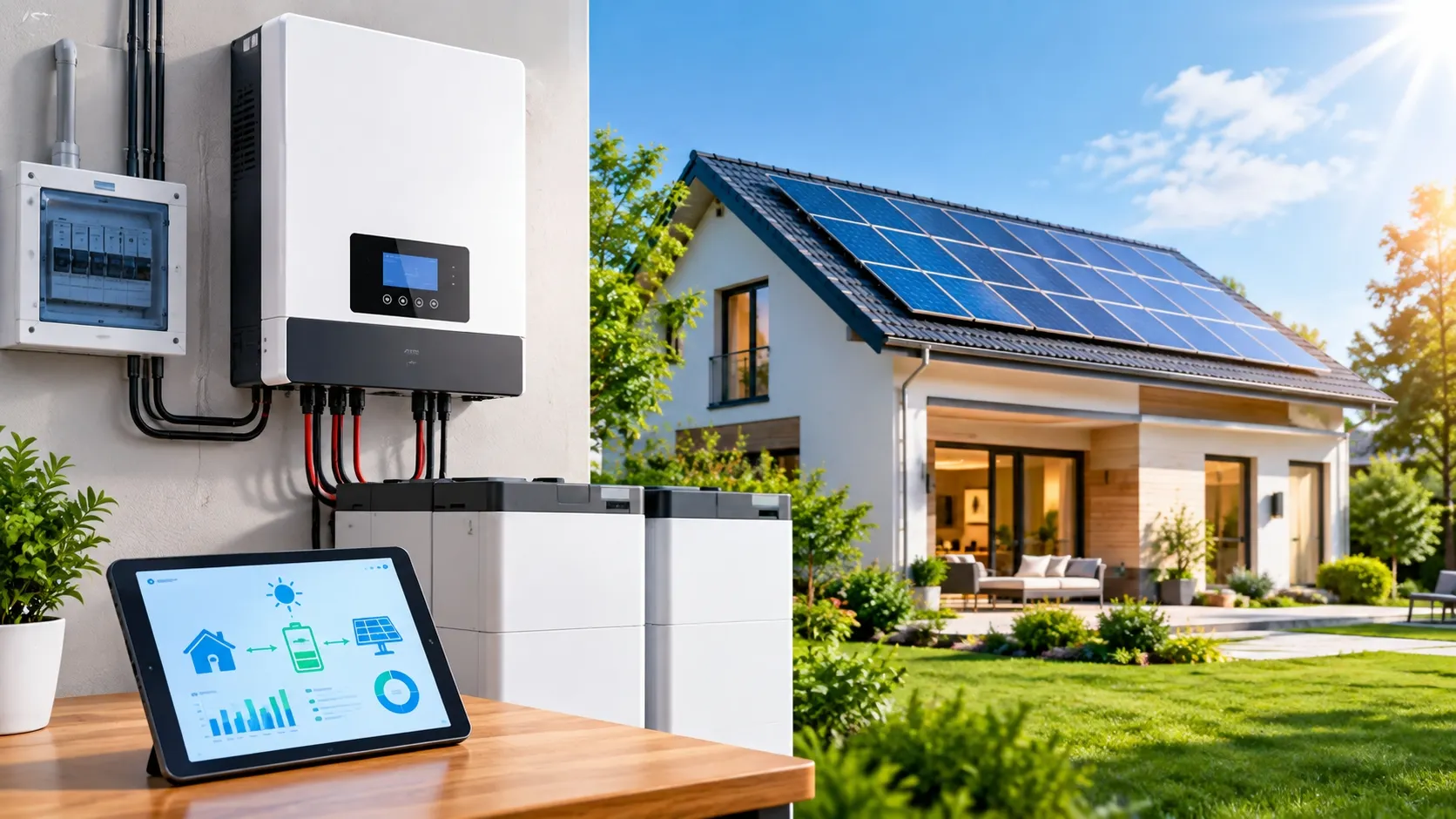
The advancement of solar energy systems has resulted in the need for innovative approaches to producing, storing, and controlling electricity generation within homes and businesses. The hybrid solar inverter is increasingly gaining popularity because it enables solar panels, battery storage, domestic loads and the utility grid to be connected to a single energy management system.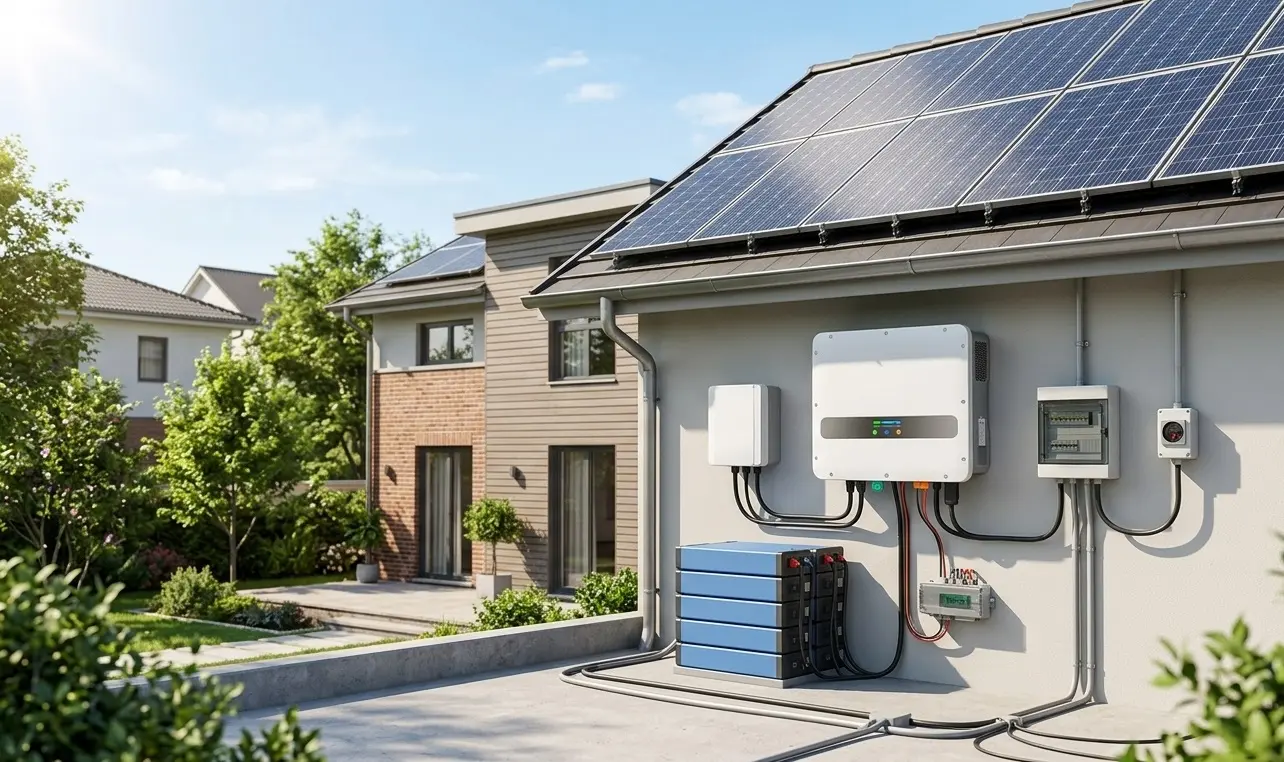
However, is a hybrid inverter the best option for all solar systems?
Homeowners, installers, and commercial users can use the advantages and disadvantages of hybrid inverters to decide if it is the right technology for their energy needs, budget, and long-term plans.
What Is a Hybrid Solar Inverter?
Hybrid solar inverter is an electrical device that functions to control electricity from various sources such as solar panels, batteries, and the utility grid.
The electricity produced by the solar panels is known as direct current (DC) electricity, whereas most household appliances run on alternating current (AC) electricity. The inverter converts the direct current (DC) electric current into alternating current (AC) which is used by appliances and electrical equipment.
Unlike regular grid-tied solar inverter, a hybrid inverter could also control the charging and discharging of battery. It may be used to store excess solar energy in a battery, which can then be employed when solar energy generation is low or when electricity is priced at a higher rate.
Usually a hybrid solar system will contain:
- Solar panels
- Hybrid solar inverter
- Battery energy storage
- Electrical distribution equipment
- Utility grid connection
- Monitoring and energy management software
This integrated design enables the inverter to manage the flow of electricity from the solar array to the battery, home, and grid.
How Does a Hybrid Inverter Work?
Solar panels produce a DC power during the day. This electricity is then fed into a hybrid inverter which makes it usable for household or commercial loads.
Excess electricity generated by the solar panels can be stored in the battery. When the battery level is set to the desired value, excess electricity can be fed into the power grid, if the utility allows it.
If the electricity generation from solar panels falls short, the hybrid inverter can tap into the battery storage. Electricity can also be generated from the power grid, depending on the system setup.
Hybrid inverter systems can be used during a power outage to supply electricity to specific loads, if compatible. This is a great feature for those who wish to utilize solar energy and energy storage in tandem, making hybrid inverters an appealing solution.
Main Types of Hybrid Solar Inverters
Depending on system design, there are several different variations of hybrid inverters.
1. Inverter-Charger Hybrid Systems
These systems combine inverter with battery-charging. They can charge batteries from solar power or from the electrical grid (when available) and can directly convert DC power to AC power.
They are typically deployed in energy-storage applications such as residential backup power, small commercial systems, RV power, and other applications.
2. Integrated Hybrid Inverters
In an integrated hybrid inverter, some of the controls may be a combination of solar inversion, battery charging and maximum power point tracking (MPPT).
A combination of these functions into a single device will facilitate system design and reduce equipment requirements.
3. Grid-Tied Hybrid Inverters
A grid connected hybrid inverter can manage solar power production, energy storage in the batteries, home consumption and the power grid.
If the regulations and utility programs permit, the excess solar power can be fed into the grid. The battery may also be employed to buffer the sun's energy usage between daylight and night.
Hybrid Inverter vs. Traditional String Inverter
The main purpose of the traditional string inverter is to convert the output of a string of solar panels from DC to AC.
It could be a viable option for areas with solar power but no battery storage. But a standard grid-tied inverter is not as useful as the hybrid inverter when it comes to built-in battery-management capabilities.
Hybrid inverter is an inverter that is designed for both solar conversion and battery-management. This is ideal for residential customers looking to install energy storage or backup power with their solar arrays.
This will depend on the set up. A solar system that is based on solar generation during the day only (DNI) might not require a hybrid inverter, whereas a solar system based on battery storage and backup power may benefit from a hybrid inverter.
Hybrid Inverter vs. Microinverter
Microinverters are connected to each solar panel. There are individual inverters for each panel, providing local conversion of electricity.
There are benefits, such as monitoring and optimising at the panel level. Microinverters may also be beneficial in roofs that are partially shaded or have various orientations.
Unlike a hybrid inverter, a centralized unit is typically installed and is able to handle both solar PV production and battery storage.
A hybrid inverter can offer an integrated architecture for projects where battery storage, backup power and centralized energy management are significant considerations.
Hybrid Inverter vs. Off-Grid Inverter
Off-grid inverters are designed to work without having access to the power grid. They normally work with battery storage and solar generation to provide electricity without relying on grid power.
Hybrid inverters can also be configured for backup/general off-grid power, but they are typically intended to offer more flexibility between the solar array, batteries, loads and the utility grid.
It all depends on whether the property is completely energy independent or wants to be connected to the grid at the same time as they introduce energy storage.
Pros of a Hybrid Solar Inverter
1. Battery Storage Integration
The hybrid inverter has one of the most significant benefits that it can be compatible with battery energy storage.
One way to implement this is for users to store some of the excess solar energy and use it later. This can help save electricity from the grid and enhance the solar self-consumption.
2. Backup Power Capability
Backup power during a grid outage can be achieved with a properly designed hybrid solar system.
Depending on the inverter, battery capacity, and electrical configuration, users can maintain critical loads such as refrigerators, lighting, communication equipment, security systems or specific appliances continued.
Backup performance is dependent on system specifications and should be verified before installation by users when determining continuous power output, surge capacity, battery size and backup-load configuration.
3. Flexible Energy Management
Hybrid inverters can intelligently control various power sources.
For instance, a system may focus on:
- Solar power for immediate loads
- Excess solar power for battery charging
- Battery power during periods of low solar production
- Grid electricity when additional energy is required
This flexibility can help users optimize how and when electricity is consumed.
4. Potentially Easier System Expansion
If a building has new solar panels installed but doesn't yet have a battery storage system, it can be simpler to expand the project with a hybrid inverter that is already compatible.
The battery management capability may not need to be added to the solar inverter system in the future.
Future battery compatibility should always be checked before buying an inverter however.
5. Remote Monitoring
Many of today's hybrid solar inverters come with digital monitoring platforms.
Solar production, battery SOC, electric consumption, grid import and grid export might be accessible to users via web-portal or mobile app.
This data can be utilized by homeowners and system operators to learn about the performance of their solar energy system with time.
Cons of a Hybrid Solar Inverter
1. Higher Initial Cost
Typically, hybrid inverters have more functionality than simple grid tied solar inverters.
The initial equipment cost can be higher, as they can combine solar conversion, battery management, charging control and energy management.
Other factors that affect the overall project cost include battery size, installation needs, electrical modifications, and applicable laws and ordinances.
2. More Complex Installation
Hybrid solar is more complicated than a grid-tied PV system, with a number of additional components and operational modes.
Solar inputs, battery communication, backup loads, grid connections, protection device settings, and energy-management settings must be configured properly by the installer.
This is where professional installation and commissioning are crucial.
3. Battery Compatibility Matters
Not all batteries will fit with all hybrid inverters.
Compatibility can vary due to battery voltage range, communication protocol, limits on battery charge and discharge, firmware, and system certification.
Users must ensure that the equipment will be safe to use with the inverter before making a purchase.
4. Existing Solar Systems May Be More Difficult to Upgrade
Adding battery storage isn't always the easiest part of replacing an existing string inverter with a hybrid inverter.
In a few existing solar PV installations, an AC coupled battery system with an additional battery inverter might be more convenient.
Best configuration will depend on the current installed equipment, age of the system, existing electrical architecture, battery needs, and installation cost.
Is a Hybrid Inverter Worth It?
A hybrid inverter may be beneficial for a new solar installation system where the homeowner or business person would like to have solar panels, battery storage, energy management and back-up power integrated into a single unit.
It may not be as appealing for a simple solar power system that does not need batteries and aims at converting the sun's power into electricity that can be used on-site or exported to the grid.
When choosing a hybrid inverter, take the following points into consideration:
- Solar array size
- Battery capacity
- Maximum inverter output
- Backup-load requirements
- Peak electricity demand
- Future energy-storage plans
- Utility grid requirements
- Battery compatibility
- Warranty and technical support
- Monitoring capabilities
- Local installation and electrical requirements
The inverter should be sized as part of the complete solar-plus-storage system rather than selected only according to the solar panel capacity.
Frequently Asked Questions About Hybrid Solar Inverters
Can a hybrid inverter work without batteries?
Some hybrid inverters can operate with solar and grid power without an immediately installed battery, but this depends on the specific model. Always check the manufacturer's specifications before designing the system.
Can a hybrid inverter work during a power outage?
A compatible hybrid inverter can provide backup power during an outage when paired with suitable battery storage and the required backup equipment. Not every grid-connected inverter automatically provides backup power.
Are hybrid inverters more expensive?
They can have a higher upfront cost than basic grid-tied inverters because they provide additional energy-storage and management functions. However, the total value depends on the system's intended use and long-term energy requirements.
Can I add batteries to my existing solar system?
Yes, but the appropriate solution depends on the existing inverter and system architecture. Options can include replacing the inverter with a hybrid model or installing an AC-coupled battery system.
How long does a hybrid inverter last?
Service life varies by manufacturer, operating conditions, installation quality, and system usage. Buyers should compare warranty terms, environmental ratings, monitoring features, and manufacturer support when selecting equipment.
Final Thoughts
A hybrid inverter for solar can integrate solar generation, storage, grid interconnection and backup power into a single energy management platform. The key benefits are the ability to store energy flexibly, being able to back it up, the monitoring being centralised, and the ability of being able to expand the system into the future.
The pros and cons are the increased initial investment, complexity of installation and necessity to double check battery and system compatibility.
The selection for homeowners and businesses considering a new solar-plus-storage project should consider energy usage, backup needs, battery design, local grid regulations, and specifications of the entire project.
The answer to whether a hybrid inverter is better than a conventional inverter is not the same for every installation, but rather whether its extra energy management and storage features are used for the project.
Share on Social:


- NEXT: Best Home Power Inverter for Solar Systems
- NEXT: Null
In This Article
- 1 What Is a Hybrid Solar Inverter?
- 2 How Does a Hybrid Inverter Work?
- 3 Main Types of Hybrid Solar Inverters
- 4 Hybrid Inverter vs. Traditional String Inverter
- 5 Hybrid Inverter vs. Microinverter
- 6 Hybrid Inverter vs. Off-Grid Inverter
- 7 Pros of a Hybrid Solar Inverter
- 8 Cons of a Hybrid Solar Inverter
- 9 Is a Hybrid Inverter Worth It?
- 10 Frequently Asked Questions About Hybrid Solar Inverters
- 11 Final Thoughts
