


Best Home Power Inverter for Solar Systems
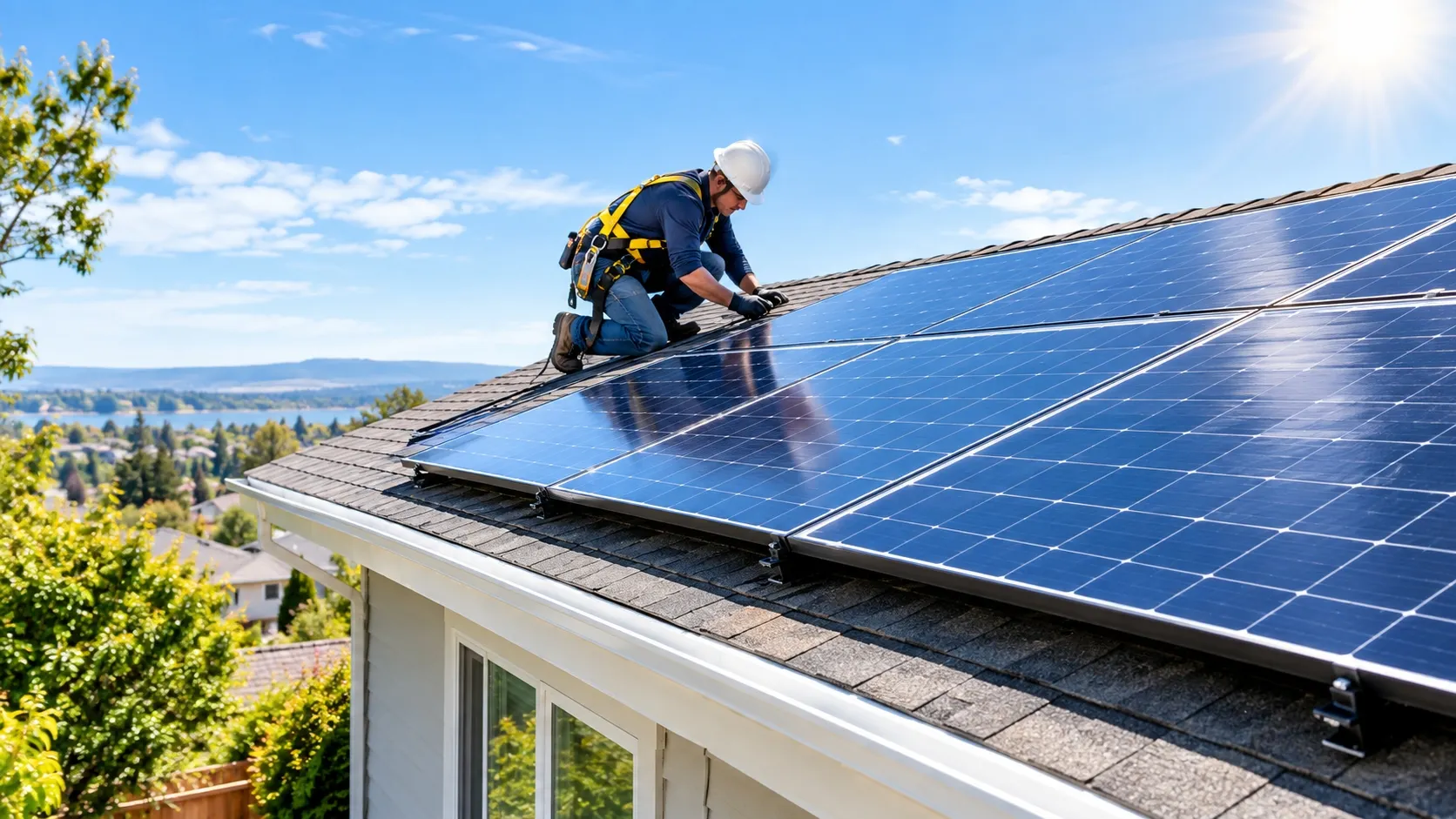
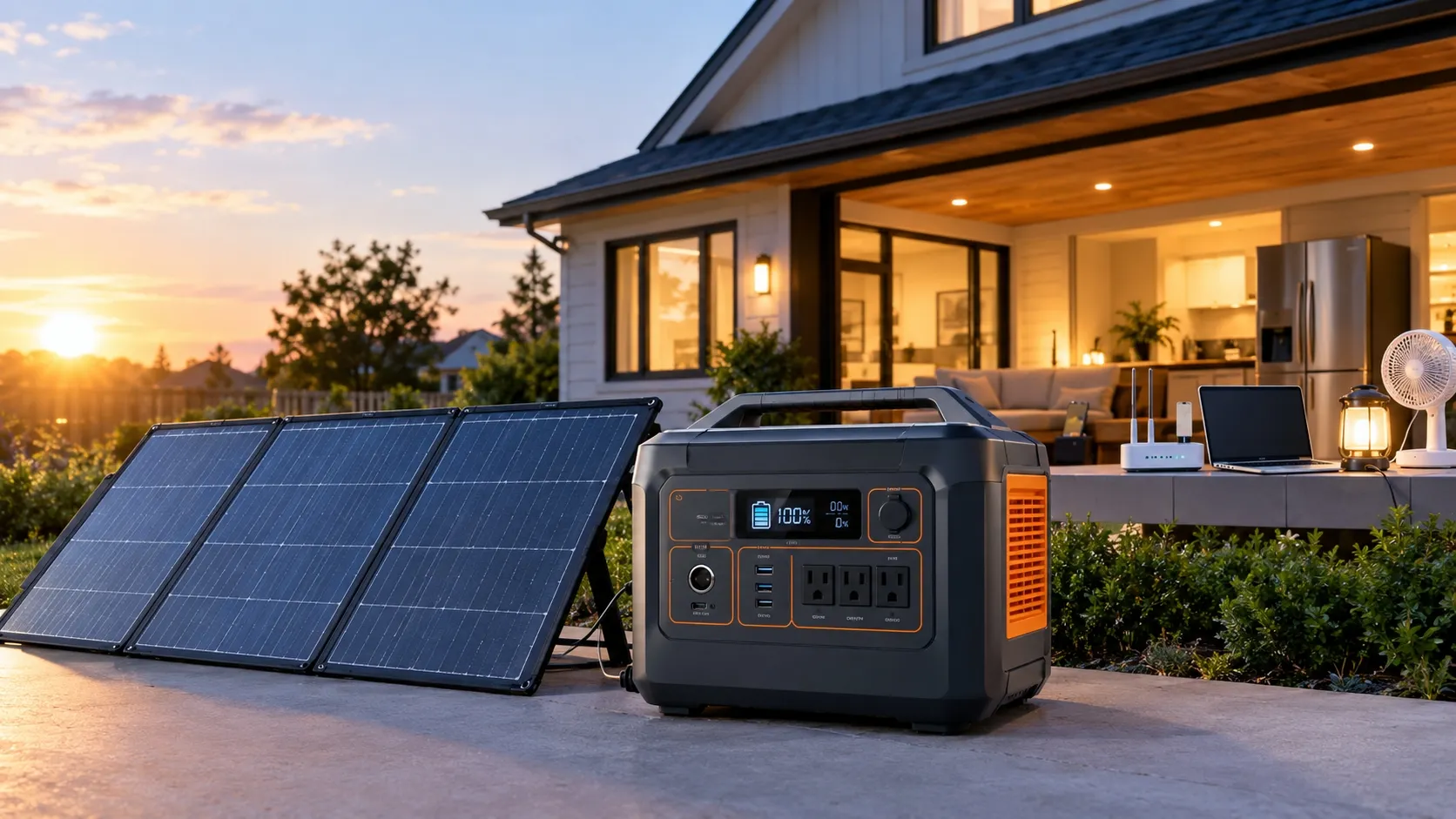
When designing a solar system for a home, selecting the appropriate home power inverter for the installation is one of the most crucial choices to make. Electricity is produced by a solar panel when it receives sunlight, but the electricity produced is in direct current (DC). The energy has to be converted and controlled to power most of the household appliances and an inverter would be needed to provide alternating current (AC).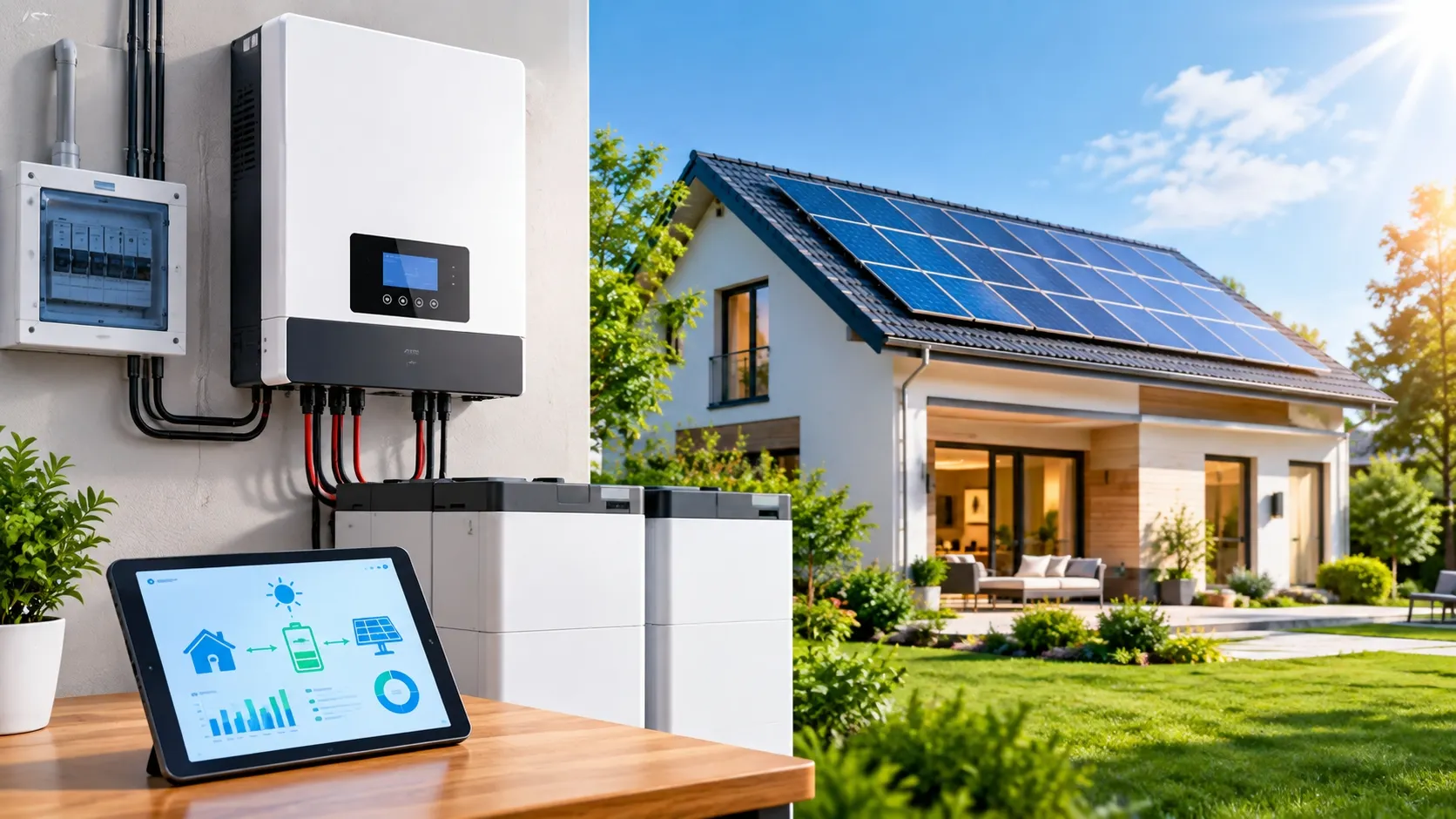
There are multiple factors to consider when choosing the best home solar inverter, such as your home's electrical usage, solar panel size, battery storage, roof type, and whether or not your solar setup is connected to the grid.
This guide covers the various types of solar inverters, the characteristics to consider, and how to select the right inverter for your home.
What Is a Home Power Inverter for Solar?
Solar power inverter is a device that transforms DC energy generated by solar panels into AC energy that powering household appliances.
But modern inverters are much more than just electricity conversion devices. An inverter can control the solar production, battery charging, backup power, grid power and household energy consumption according to the model.
The inverter is part of a complete residential solar power system that also consists of solar panels, batteries, wiring, protection devices and monitoring systems.
A good match between an inverter and a solar panel can enable homeowners to:
- Convert solar energy into usable household electricity
- Manage battery charging and discharging
- Supply backup power during outages
- Monitor solar production and energy consumption
- Improve overall system energy management
- Support grid-connected or off-grid applications
Because the inverter connects several important parts of a solar system, selecting the right capacity and configuration is essential.
What Are the Main Types of Home Solar Inverters?
There is no single inverter design that is ideal for every home. The most common options are string inverters, microinverters, and hybrid inverters.
1. String Inverters
A string inverter is used to connect a number of solar panels to one or more strings. The electricity produced by the panels is transmitted to a central inverter to change the voltage from DC to AC.
String inverters are popular because they are simple and can be more affordable for homes that have a roof structure appropriate for their use.
They are especially suitable for use when light levels are consistent in different parts of the day on solar panels.
In any case, some shadowing on a part of a panel string can compromise the output of the panel strings concerned. Therefore, the panel orientation and installation should be taken into account before adopting this configuration for a roof.
2. Microinverters
Microinverters are fitted on top of each solar panel. Each panel has an individual converter rather than using a single central inverter.
This set-up may be useful for houses that have:
- Multiple roof orientations
- Partial shading
- Complex roof designs
- Different panel installation angles
Each panel is more independent, which means that performance issues with one panel will not have as significant an impact on the rest of the array.
The downside to microinverter systems is that they may be more expensive than certain string-inverter systems.
3. Hybrid Solar Inverters
Hybrid Solar Inverter is an inverter that does more than just solar power conversion, it also manages the battery energy.
This is where hybrid inverters come in very handy for homeowners who desire solar power along with battery storage. Any excess solar energy can be fed into battery storage and utilised when solar generation drops.
A hybrid system can be used with:
- Solar energy generation
- Battery storage
- Household loads
- Grid electricity
- Backup power
A hybrid inverter can help ease system design and offer flexibility to homeowners who may want to install batteries now or later.
How Do You Choose the Best Home Power Inverter?
The best inverter is not necessarily the most expensive model. Instead, it should match the electrical characteristics and long-term goals of your solar system.
1. Match the Inverter to Your Power Requirements
To get started, determine the amount of electricity your home normally uses.
Take into account both the standard load and heavy start-up power appliances in use. Starting larger motor driven equipment such as air conditioners, refrigerators, pumps and other applications can lead to much higher running power consumption.
The chosen inverter may not be sufficiently large to reliably power these loads, or the inverter may be over sized and incur unnecessary system costs.
2. Consider Solar Array Size
Your inverter should be compatible with the size and electrical characteristics of your solar array.
When comparing models, check specifications such as:
- Rated continuous output
- Maximum PV input
- Maximum DC voltage
- Maximum charging current
- AC output voltage
- Battery voltage compatibility
Professional system design is recommended because solar array sizing and inverter specifications must work together.
3. Look at Conversion Efficiency
Inverter efficiency describes how effectively DC electricity is converted into usable AC electricity.
Higher efficiency can reduce conversion losses and help maximize the usable energy produced by your solar panels.
Rather than focusing only on one efficiency number, compare the inverter's complete operating specifications and how it performs under different loads.
4. Decide Whether You Need Battery Backup
If your primary objective is reducing daytime grid consumption, a basic solar inverter may be sufficient.
If you want electricity available during outages or want to use solar energy at night, battery storage becomes more important.
In that situation, consider a hybrid home power inverter capable of coordinating solar panels and batteries.
Battery compatibility is particularly important. Make sure the inverter supports the battery chemistry, voltage range, charging requirements, and communication protocols used by your selected battery.
5. Consider Monitoring Features
Modern solar systems increasingly include monitoring platforms that allow homeowners to track system performance.
Depending on the inverter, monitoring may provide information about:
- Solar energy production
- Household energy consumption
- Battery charge level
- Grid electricity usage
- System operating status
Mobile applications and online monitoring can make it easier to identify performance issues and understand how your solar system is operating.
What Is the Best Inverter for an Off-Grid Home?
Off-grid homes have different requirements from conventional grid-connected properties.
Without reliable utility electricity, the inverter must work together with solar panels and battery storage to provide consistent power.
An off-grid solar inverter may need to manage solar generation, battery charging, household loads, and backup sources such as generators.
For remote cabins, workshops, RVs, farms, and fully independent homes, important features may include:
- Pure sine wave AC output
- Battery charging capability
- High surge capacity
- Multiple operating modes
- Automatic transfer functions
- Solar input compatibility
- Reliable protection systems
The correct configuration depends on the appliances being powered and the amount of energy available from the solar and battery system.
Why Pure Sine Wave Output Matters
For residential applications, pure sine wave output is an important specification to consider.
Many household devices, electronics, appliances, motors, and sensitive equipment are designed to operate with stable AC power.
A pure sine wave inverter produces an AC waveform that closely resembles utility electricity, making it suitable for a wide range of residential loads.
If your solar system will power computers, refrigerators, pumps, televisions, appliances, or other sensitive equipment, check the inverter's AC output specifications before purchasing.
How Does an Inverter Fit into a Complete Home Solar System?
A typical residential solar power system may include:
Solar Panels → Solar Inverter → Electrical Panel → Household Loads
A battery-based system may follow a more advanced configuration:
Solar Panels → Hybrid Inverter → Battery + Household Loads + Grid
The inverter acts as a central component that manages energy conversion and, in many systems, energy distribution.
This is why choosing individual components based only on price can create compatibility problems. Solar panels, batteries, inverter capacity, voltage, wiring, and protection equipment should be designed as a complete system.
Home Solar Inverter Buying Checklist
Before purchasing a home power inverter for solar, compare the following specifications:
| Feature | Why It Matters |
|---|---|
| Inverter capacity | Determines how much AC power can be supplied |
| PV input range | Ensures compatibility with solar panels |
| Efficiency | Helps reduce energy conversion losses |
| Battery compatibility | Important for energy storage systems |
| Surge capacity | Supports appliances with high startup loads |
| Output waveform | Pure sine wave is suitable for residential loads |
| Monitoring | Helps track energy production and system status |
| Protection features | Helps protect equipment and users |
| Warranty | Provides long-term product support |
| Installation requirements | Determines system complexity and location |
Is a More Expensive Solar Inverter Always Better?
Not necessarily.
You shouldn't choose the right inverter based purely on cost, it should be chosen based on the need of the house.
If the system is a simple grid connected solar system, a string inverter might be the answer. If a house receives partial shade, then a different structure might be appropriate. A Hybrid inverter can be a better choice for a property that needs battery backup.
That is, the ideal home power inverter for solar power is the one that offers the right balance of capacity, compatibility, efficiency, reliability, monitoring, and future-proof functionality.
Why Choose SunGoldPower for Home Solar Inverters?
SunGoldPower offers solar energy solutions for residential, off-grid and backup power use. The products it sells include solar panels, solar power solutions, batteries, hybrid solar inverters, and solar inverters.
It provides inverter products for various types of systems such as off-grid and battery supported systems, different sizes, etc.
When building an off-grid system, solar PV system upgrades, or a new solar array, it is important to select compatible parts. SunGoldPower's wider product offering can help to simplify the design of a solar+storage system.
Final Thoughts
One of the most vital parts of a home solar panel system is the inverter. It converts the energy generated by solar panels into energy provided to the house, and depending on the system type, it also controls the batteries, the grid, backup loads, and monitoring the energy generated.
When selecting a home power inverter for solar, you should take into account how much electricity you use at home, the size of your solar array, roof conditions, battery plans, the need for back-up power and future expansion plans.
The string inverter, the micro inverter and the hybrid inverter are all different and have different applications. No one solution fits all homes.
Through the comparisons of inverter capacity, efficiency, battery compatibility, monitoring, protection features, and warranty support, homeowners can choose a system that aligns with their specific energy needs and future plans for solar power.
Share on Social:


- NEXT: How to Install Solar Panels at Home
- NEXT: Null
In This Article
- 1 What Is a Home Power Inverter for Solar?
- 2 What Are the Main Types of Home Solar Inverters?
- 3 How Do You Choose the Best Home Power Inverter?
- 4 What Is the Best Inverter for an Off-Grid Home?
- 5 Why Pure Sine Wave Output Matters
- 6 How Does an Inverter Fit into a Complete Home Solar System?
- 7 Home Solar Inverter Buying Checklist
- 8 Is a More Expensive Solar Inverter Always Better?
- 9 Why Choose SunGoldPower for Home Solar Inverters?
- 10 Final Thoughts
