


How Much Do Solar Panels Cost
When contemplating going solar, one of the first things you will likely ask is: How much do solar panels cost?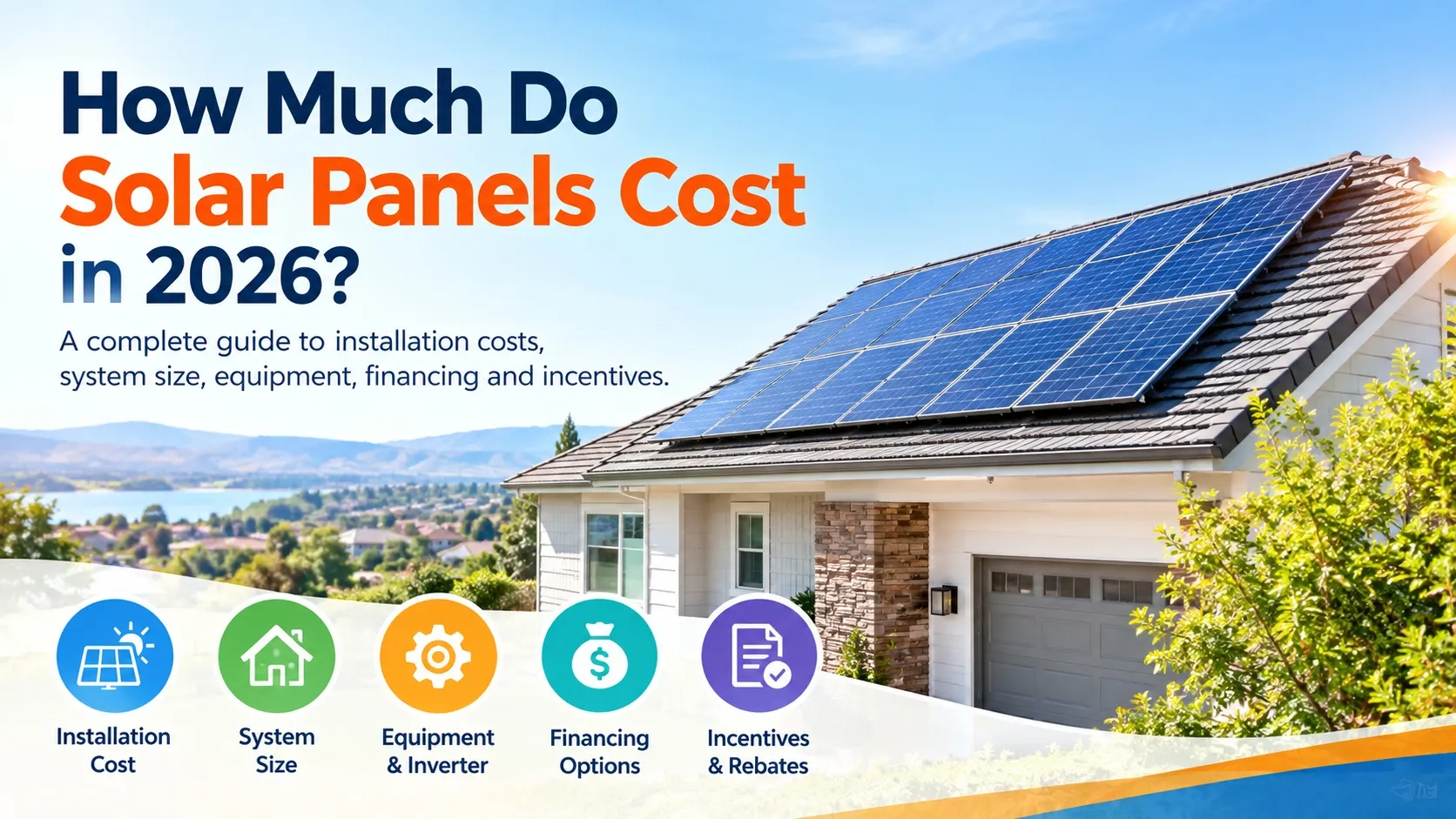
The total cost of installing solar panels in 2026 is influenced by a variety of factors besides the cost of the panels. The cost can vary depending on system size, electricity usage, roof orientation, installation type, inverter type, shading, local weather conditions, permitting, utility requirements, and financing.
The costs of a typical home solar system, including the cost of the solar panels, installation, and storage system, can range from approximately $25,000 to more than $50,000, before incentives are applied to the cost, before the system is installed. Commercial sized solar projects are much bigger and can range from around $125,000 to $500,000+ again based on the size of the system and the complexity of the project.
Average Solar Panel Installation Cost in 2026
One way to determine solar installation costs is to use cost per watt.
The average cost of installing the system is around $2 to $3 per watt for residential projects. Assuming this range, a 5 kW system can be estimated at $25,000 (pre-incentive) and a 10 kW system at $30,000 or more, depending on system equipment and property.
But there are no fixed prices of the solar panels. Two houses of the same size may need vastly different solar power systems.
For instance, one household might be using electricity for heating and cooling, an electric vehicle and might also have lesser electricity consumption, whereas another household may have greater electricity consumption. A much larger solar system might be needed for the first home.
That's why electricity use is more significant than the size of the house when calculating the cost of solar installations.
What Determines the Cost of Solar Panels?
Several factors can influence the final price of a solar energy system.
1. Solar System Size
More panels, inverters, racking, wiring and labor are needed as the size of the system increases.
The size of the system typically is expressed in kilowatts (kW). The larger the percentage of the electricity bill that a homeowner is using, the larger the system will be needed.
The upfront costs for commercial solar installations are usually a lot larger than for residential installations because the systems have to be much larger.
2. Type of Solar Installation
The installation method can have a major impact on project costs.
Rooftop solar is generally one of the most economical options because it uses an existing structure. However, the type and condition of the roof can affect labor and mounting requirements.
Ground-mounted solar systems require additional racking, posts, foundations, wiring, and site preparation. As a result, they can cost more than rooftop systems.
Solar carports are another option for businesses, parking lots, and properties with limited roof space. They can provide both solar generation and covered parking, but the additional structural requirements can increase the project cost.
3. Solar Panel Type and Efficiency
Solar panels are not all the same.
Higher-efficiency panels can generate more electricity from a smaller physical area. This can be especially valuable when roof space is limited.
Premium panels may have higher power density, improved efficiency, better warranties, or enhanced appearance. For example, all-black modules may cost more than standard modules but can provide a cleaner appearance on residential roofs.
Choosing solar panels should therefore involve more than comparing the lowest price per panel. Efficiency, degradation rate, warranty coverage, expected production, and manufacturer reputation should also be considered.
4. Solar Inverter Technology
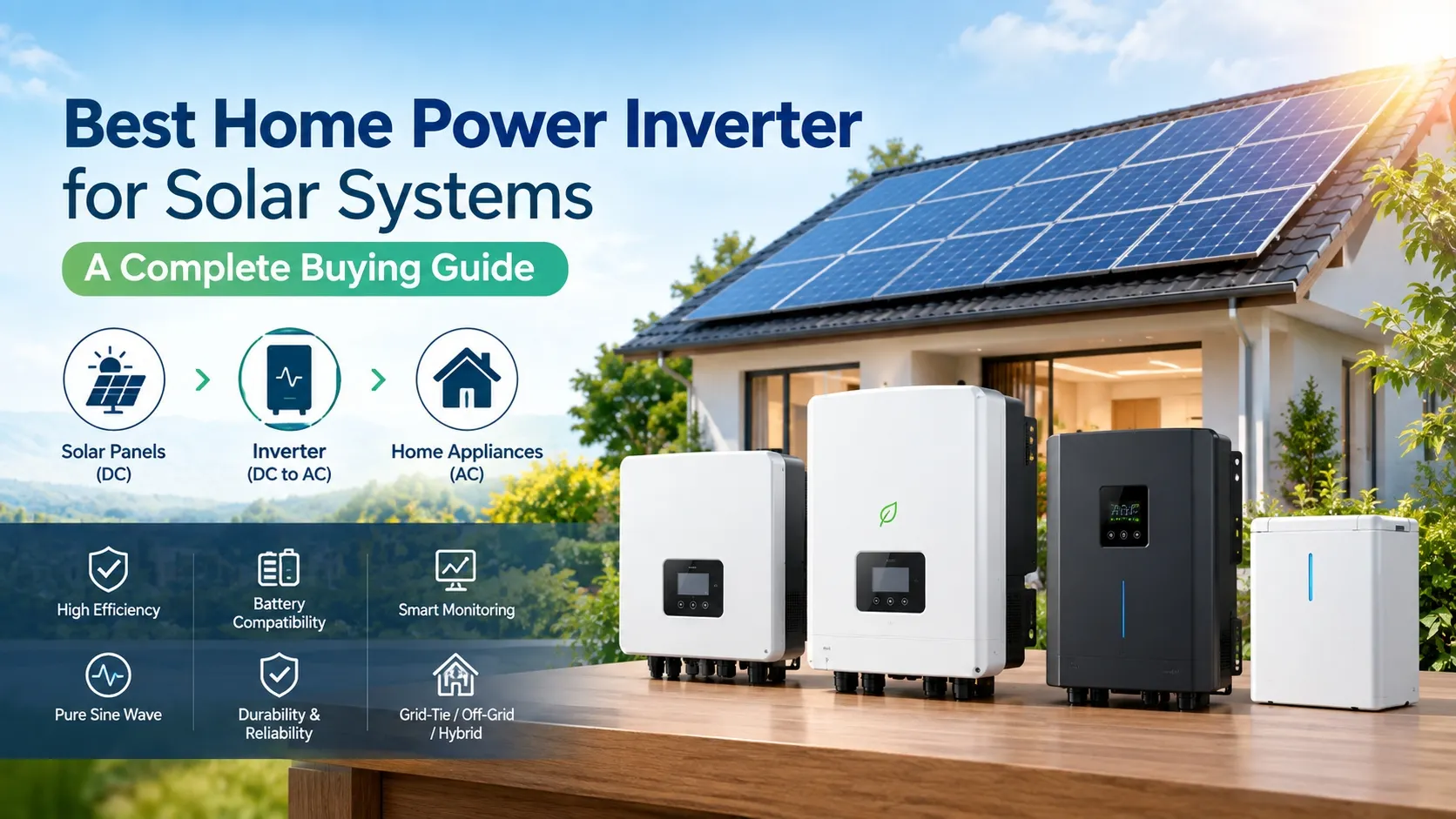
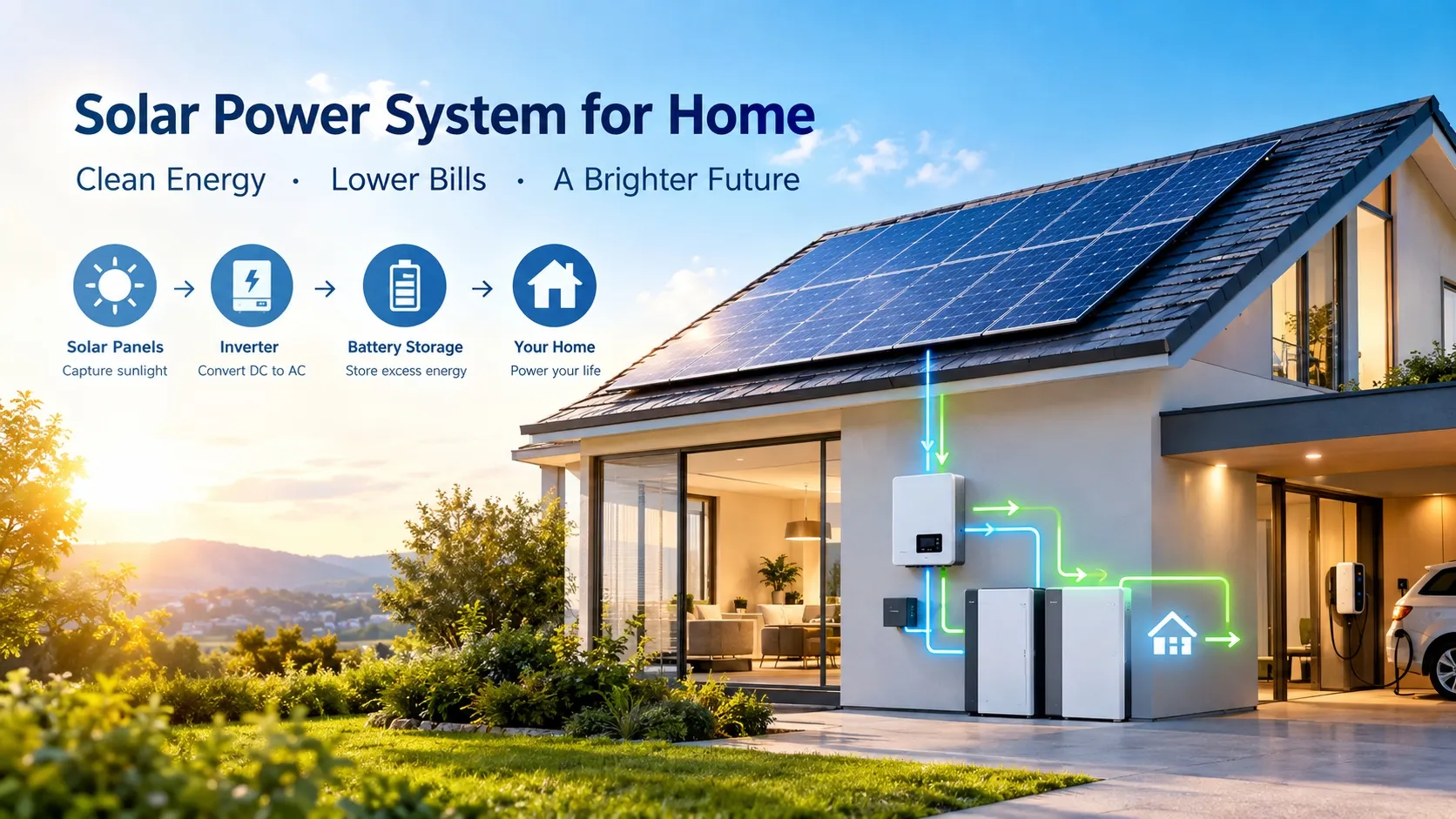
The inverter is one of the most important components of a solar energy system because it converts the electricity generated by solar panels into usable electricity for the property.
Common inverter configurations include:
- String inverters
- Microinverters
- String inverters with power optimizers
String inverters are often more cost-effective and are widely used for larger systems and ground-mounted installations.
Microinverters are installed at the individual panel level. They can provide advantages for systems with complex roof designs or shading, although they generally increase equipment costs.
Power optimizers combine some of the advantages of module-level optimization with a central string inverter and are commonly used in residential rooftop installations.
5. Roof Condition and Installation Complexity
The condition and design of your roof can affect solar installation costs.
Solar installers may need different mounting hardware depending on whether the roof is made from asphalt shingles, standing-seam metal, ribbed metal, or another material.
Roof pitch, orientation, accessibility, and structural condition can also influence installation labor.
If a roof needs major repairs or replacement, completing that work before installing solar panels may be more economical than removing and reinstalling the solar system later.
6. Shading and Sunlight Exposure
Shade from trees, buildings, chimneys, or other structures can reduce solar production.
A heavily shaded property may require additional panels or module-level power electronics to achieve the desired energy production.
By contrast, a property with strong sunlight exposure may achieve the same annual energy output with fewer panels.
Professional solar proposals should therefore consider local sunlight conditions and shading rather than simply estimating system size from electricity bills.
7. Utility Interconnection Costs
Connecting a solar system to the electrical grid can involve additional costs.
Utilities may have specific requirements for meters, electrical equipment, inspections, transformers, and interconnection.
The cost can depend on the size of the system, existing electrical infrastructure, and local grid conditions. The distance between the solar array and the utility interconnection point can also increase costs because longer wire runs, conduit, or trenching may be required.
How Much Does Commercial Solar Cost?
Commercial solar systems are generally much larger than residential installations.
According to the referenced 2026 pricing information, commercial solar systems can cost approximately $1 to $2.50 per watt, with total project costs commonly ranging from $125,000 to $500,000+ before incentives.
For example, a business using approximately $600 per month in electricity may need a system around 50 kW, while a larger electricity user may require a 100 kW or 200 kW system.
Commercial projects can also involve additional engineering, permitting, electrical upgrades, structural work, and utility coordination.
Therefore, businesses should evaluate solar based on total project economics rather than equipment price alone.
Solar Financing Options
There are several ways to pay for a solar installation.
Cash Purchase
Paying cash requires the largest upfront investment but avoids loan interest and gives the property owner direct ownership of the system.
Solar Loan
A solar loan spreads the project cost over time. Although this reduces the initial cash requirement, interest and financing fees can increase the total cost of the project.
Solar Lease or PPA
Leases and power purchase agreements can reduce upfront expenses because customers generally pay for solar energy through a monthly payment or energy rate.
However, these arrangements have different ownership, contract, payment, and long-term savings structures. It is important to understand the agreement before choosing this option.
How to Compare Solar Quotes
The cheapest solar quote is not necessarily the best solar investment.
When comparing installers, look at:
- Total system price
- Cost per watt
- Estimated annual energy production
- Solar panel efficiency
- Inverter technology
- Equipment warranties
- Workmanship warranty
- Production guarantees
- Expected system degradation
- Financing fees
- Permitting and interconnection costs
- Estimated payback period
The professional installer should also consider shading, climate, roof surface attributes and performance expectations.
The long-term value of two quotes from the same system size can be substantially different due to better equipment or a much higher expected production.
Are Solar Panels Worth the Cost in 2026?
Solar can be a valuable long-term investment for many homeowners and businesses, as it can help to decrease reliance on grid electricity and potentially decrease energy costs.
The financial return however relies on electricity rates, system size, solar production, installation costs, financing, incentives and local electricity policies.
The only sure way to see if solar is economically viable is to consider the full economics of the project instead of just the upfront installation cost.
Frequently Asked Questions
How much do solar panels cost for a house?
The cost of a typical home solar system, before incentives, ranges from about $25,000 to $50,000 or more, depending on the size of the system, the type of equipment, roof conditions, and how complex the installation is.
Does a bigger house require more solar panels?
Not necessarily. The size of the solar system is determined more by the amount of electricity used than by the square footage. A high energy use house could have a smaller solar system than a low energy use house.
Are ground-mounted solar panels more expensive?
Rooftop systems are frequently more expensive than these due to extra structural elements, manpower, wiring and site preparation. But sometimes ground mounting is a good option if the roof is too bad or if the property has an area, which would be better suited to receive the sun's rays.
How long do solar panels last?
A useful duration of electricity generation from quality solar panels is for many years. This means that the total systems value should be assessed for the life of the system and not just the initial few years.
Final Thoughts
So, what is solar panel cost in 2026? A starting price of about $25,000 - $50,000 (before incentives) is a good estimate for the residential market. System sizes and installation demands are factors that influence commercial project costs, which can be $125,000 up to $500,000+
The true expense of solar is determined by your electricity usage, property, roof, equipment, installation approach, local utility needs and financing plan.
When selecting a solar installer, look at system performance, warranties, production estimates, installation quality and long-term return on investment, in addition to the lowest price. A well-designed solar system can deliver a long-term, sustainable supply of clean energy and significant energy savings.
Share on Social:


In This Article
- 1 Average Solar Panel Installation Cost in 2026
- 2 What Determines the Cost of Solar Panels?
- 3 3. Solar Panel Type and Efficiency
- 4 4. Solar Inverter Technology
- 5 5. Roof Condition and Installation Complexity
- 6 6. Shading and Sunlight Exposure
- 7 7. Utility Interconnection Costs
- 8 How Much Does Commercial Solar Cost?
- 9 Solar Financing Options
- 10 How to Compare Solar Quotes
- 11 Are Solar Panels Worth the Cost in 2026?
