


DIY Solar Panel Installation: Pros, Cons & Costs
Solar panel installations can be a lucrative venture for producing renewable electricity, cutting down on reliance on electricity grids, and also minimizing long-term energy costs. As solar equipment becomes more widely available, some homeowners are looking to install their own solar panels instead of solar panels that have been professionally set up.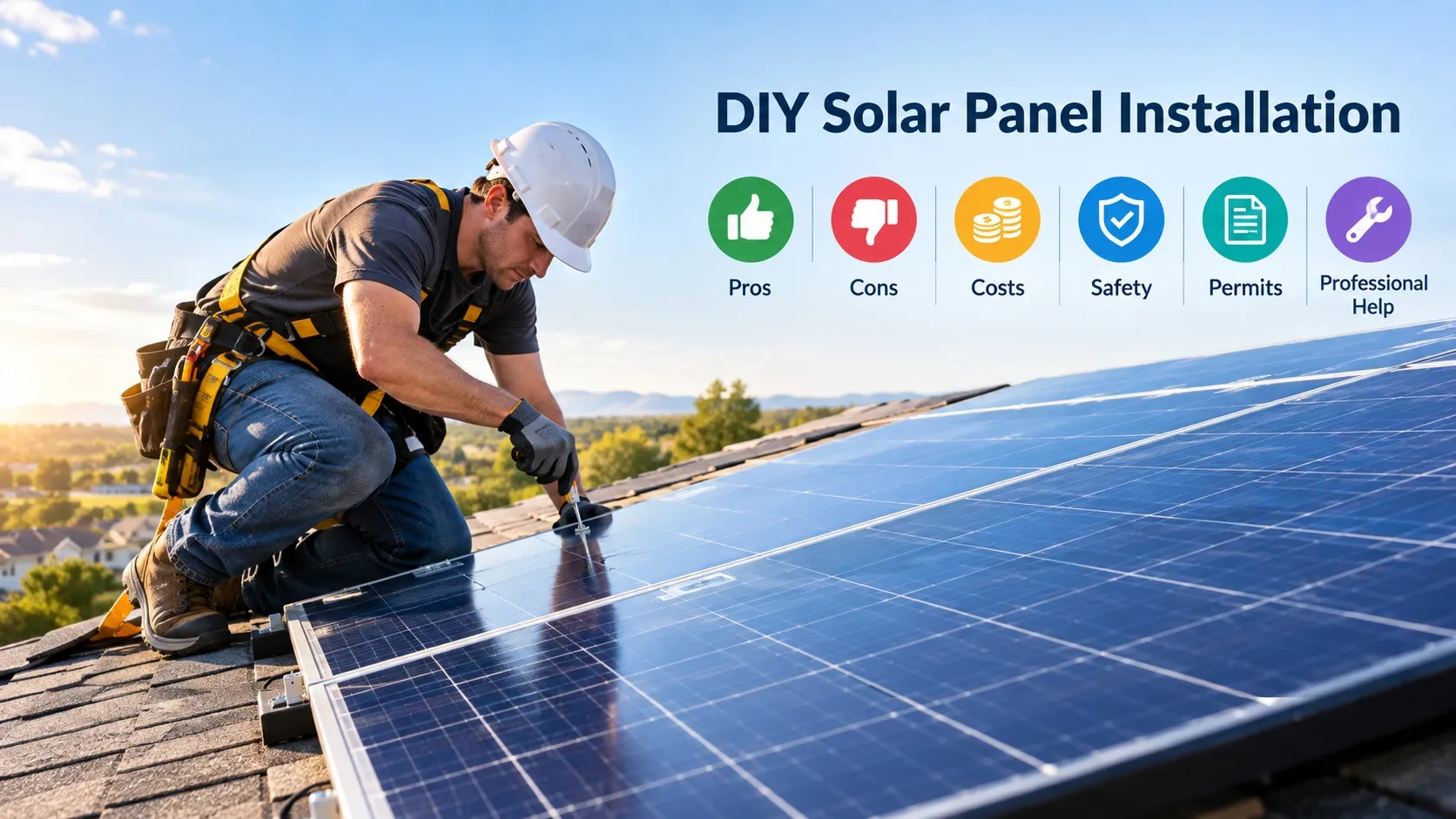
Labor costs may be lower with a DIY solar project and it will give you more control over the installation process. But putting solar panels on a home roof is far from simple. All of the following must be taken into account when designing electrical wiring, structure, permits, inspections, utility interconnection and system design.
It is important to understand both the pros and cons of installing solar panels before making the decision.
What Is DIY Solar Panel Installation?
DIY Solar installation involves a homeowner doing some or all of the solar installation process instead of working with a solar company.
This could be:
- Selecting solar panels and inverters
- Designing the photovoltaic system
- Calculating energy requirements
- Purchasing mounting equipment
- Installing rooftop or ground-mounted panels
- Connecting electrical components
- Applying for permits
- Scheduling inspections
- Connecting the system to the utility grid
Some homeowners choose a hybrid approach. For example, they may handle equipment selection and some physical installation while hiring a licensed electrician for electrical connections and a professional contractor for roof work.
This approach can reduce the workload while still allowing homeowners to participate in the project.
Pros of DIY Solar Panel Installation
1. Potentially Lower Installation Costs
One of the top benefits that homeowners find in opting for DIY solar is the ability to save on labor.
Professional solar installation consists of project management, permitting, labor, system design, and expenses. Doing some of these things yourself could keep up front project costs down.
But the size and complexity of the system are important to savings. Even though the savings from payday loans are substantial, there are still a lot of costs to consider, such as the equipment, permits, electrical work, structural changes and professional inspections.
2. Greater Control Over Equipment Selection
Use of a DIY project allows the homeowner to have more control over system parts.
You can compare:
- Solar panel efficiency
- Panel wattage
- Microinverters and string inverters
- Battery storage systems
- Mounting systems
- Monitoring equipment
- Energy management technology
For residential systems, panel selection should be based not only on wattage but also on available roof space, orientation, shading, climate, and expected energy consumption.
Residential solar panels commonly occupy significant roof area, and each panel can weigh roughly 40–50 pounds depending on the model.
3. A Hands-On Learning Experience
DIY solar installation can help homeowners understand how photovoltaic systems work.
You may learn about:
- Solar electricity generation
- DC and AC electricity
- Inverters
- Electrical circuits
- Solar monitoring
- Battery storage
- Energy consumption
- System maintenance
For technically experienced homeowners, the project can be a valuable educational experience.
4. Flexible Project Planning
A DIY installation may allow you to purchase equipment and complete certain stages according to your own schedule.
Instead of coordinating every step through an installation company, you can research equipment, compare suppliers, and plan the project around your availability.
This can be particularly useful for smaller ground-mounted systems or projects where rooftop installation is not required.
Cons of DIY Solar Panel Installation
1. Safety Risks
Solar installation involves working with electricity and, in many cases, working at roof height.
Solar panels can generate electrical power whenever they receive sunlight. Improper wiring or incorrect installation can create serious electrical hazards.
Roof work also introduces risks associated with falls, lifting equipment, and damaging roofing materials.
For these reasons, homeowners should carefully consider which tasks they are qualified to perform. Electrical connections and roof-related work may require licensed professionals depending on local regulations.
2. Permits and Local Regulations
Solar systems are usually subject to local building and electrical requirements.
Depending on your location, you may need:
- Building permits
- Electrical permits
- Structural documentation
- Utility approval
- Inspections
- Interconnection agreements
Requirements vary between states, counties, cities, and utility providers.
A system that works technically may still be unable to operate legally if it has not received the required approvals.
3. System Design Can Be Complicated
A solar system needs to be properly sized for the home's electricity consumption and physical installation conditions.
Important design factors include:
- Annual electricity usage
- Roof orientation
- Roof pitch
- Shading
- Panel efficiency
- Available roof area
- Inverter capacity
- Battery requirements
- Local weather conditions
- Electrical service capacity
For example, a larger solar array is not automatically better if the roof has limited usable space or significant shading.
Professional solar designers can also evaluate roof structure, panel spacing, electrical requirements, and local code restrictions.
4. Warranty Limitations
Warranty coverage is another important consideration.
Solar equipment can have separate warranties for panels, inverters, batteries, mounting equipment, and installation workmanship. Some manufacturers may have specific requirements regarding installation and authorized professionals.
For example, solar panels can have long performance warranties, while microinverters and batteries have their own warranty terms. Installation warranties generally cover workmanship issues rather than manufacturing defects.
Before installing a system yourself, carefully read the warranty terms. DIY installation could affect certain types of coverage depending on the manufacturer and equipment.
5. Grid Connection May Require Professional Approval
A grid-connected solar system cannot simply be switched on after installation.
The utility may require documentation, inspection, system specifications, and approval before allowing the system to operate in parallel with the electrical grid.
This process is commonly called utility interconnection.
Because requirements differ by utility and location, homeowners should investigate the approval process before purchasing equipment.
DIY Solar vs. Professional Installation
The choice between DIY and professional installation depends largely on the homeowner's technical skills, project complexity, and local regulations.
| Factor | DIY Installation | Professional Installation |
|---|---|---|
| Labor cost | Potentially lower | Higher |
| System design | Homeowner responsibility | Professional support |
| Equipment selection | High control | Installer guidance |
| Safety | Higher personal responsibility | Professional handling |
| Permitting | Homeowner may handle it | Often managed by installer |
| Electrical work | May require licensed help | Typically handled professionally |
| Warranty | Must verify DIY eligibility | Often supported by installer |
| Project management | Homeowner | Installation company |
Neither approach is automatically suitable for every home. The most important consideration is whether the system can be installed safely, legally, and correctly.
When Does DIY Solar Make Sense?
DIY solar may be worth considering for homeowners who have strong electrical, construction, or engineering knowledge and are comfortable researching local requirements.
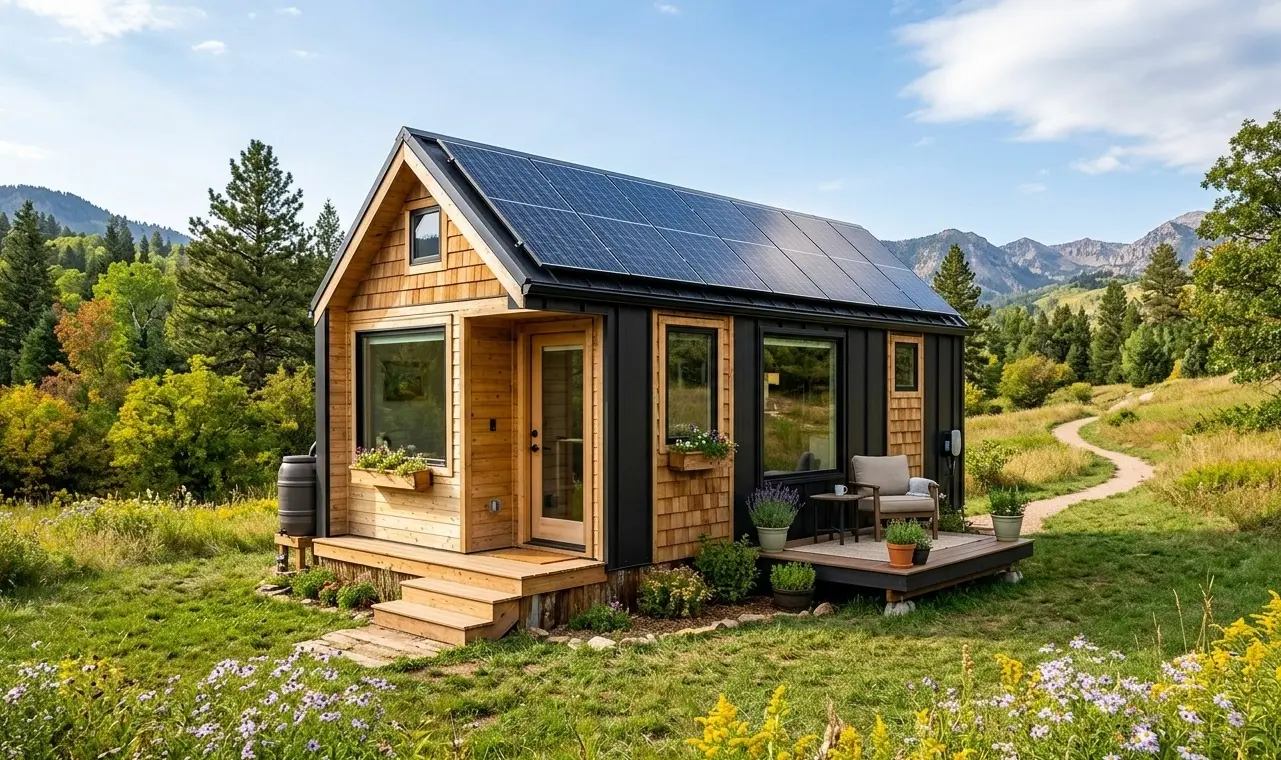
It may also make sense for certain smaller solar projects, such as ground-mounted systems, off-grid cabins, workshops, or other applications where local regulations allow homeowner installation.
For a large rooftop system connected to the utility grid, the project becomes considerably more complex.
A Hybrid Solar Installation Approach
A hybrid installation can offer a middle ground.
For example, homeowners may:
- Research their electricity consumption.
- Compare solar panels and inverters.
- Develop an initial system design.
- Purchase approved equipment.
- Perform permitted non-electrical work.
- Hire a licensed electrician for electrical connections.
- Work with qualified professionals for inspections and utility approval.
This approach allows homeowners to maintain some control over the project while reducing the risks associated with specialized electrical and structural work.
Final Considerations Before Installing Solar Yourself
Before starting a DIY solar installation, evaluate the complete project rather than focusing only on the price of solar panels.
Consider:
- Total equipment cost
- Permit fees
- Electrical requirements
- Roof condition
- Structural capacity
- Local building codes
- Utility interconnection rules
- Equipment warranties
- Insurance requirements
- Long-term maintenance
- Professional inspection costs
The roof itself is another key factor to take into account. In some cases, older roofs may need to be repaired or replaced before the installation of solar panels. If a solar array is to be added to a roof that is going to be replaced in the near future, then there is the possibility of added future labor requirements for removing and reinstalling the solar array.
Conclusion
Homeowners may be able to install solar panels themselves, resulting in potentially lower labor costs, and more control over the solar energy project. For others with the necessary technical skills, it can also be an educational and rewarding experience.
There are, however, electrical, structural, permitting, inspection, safety and utility considerations involved with the installation of residential solar. Installation error may impact system performance, safety of the property, equipment warranties, and grid approval.
Not every homeowner has to select between the do-it-yourself and professional setup options. A combination of strategies may enable homeowners to handle some of the work, and leave the more technical work to qualified individuals.
Consider energy usage, roof conditions, regulations, equipment warranties, and the overall installation expense before buying solar equipment. One of the most important steps in the process of installing solar is the careful planning, as a well-designed and properly installed solar system can provide reliable renewable energy for many years.
Share on Social:


- NEXT: Solar Panel Cost Breakdown: Prices, Installation and Savings
- NEXT: Null
In This Article
- 1 What Is DIY Solar Panel Installation?
- 2 Pros of DIY Solar Panel Installation
- 3 Cons of DIY Solar Panel Installation
- 4 DIY Solar vs. Professional Installation
- 5 When Does DIY Solar Make Sense?
- 6 A Hybrid Solar Installation Approach
- 7 Final Considerations Before Installing Solar Yourself
- 8 Conclusion
