


Solar Power and Inverter with Four MPPT Trackers: Managing Shade and Roof Orientation
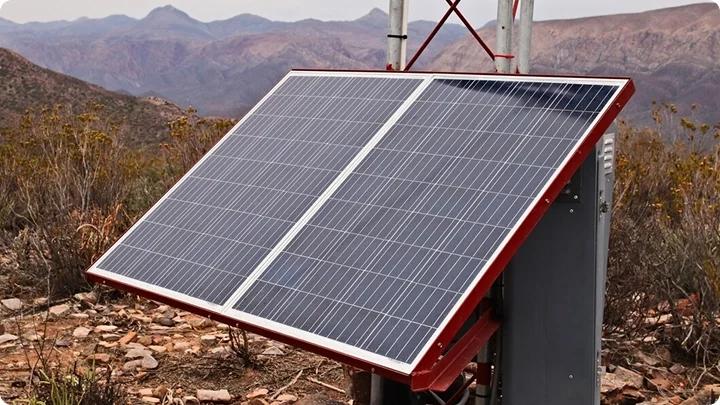

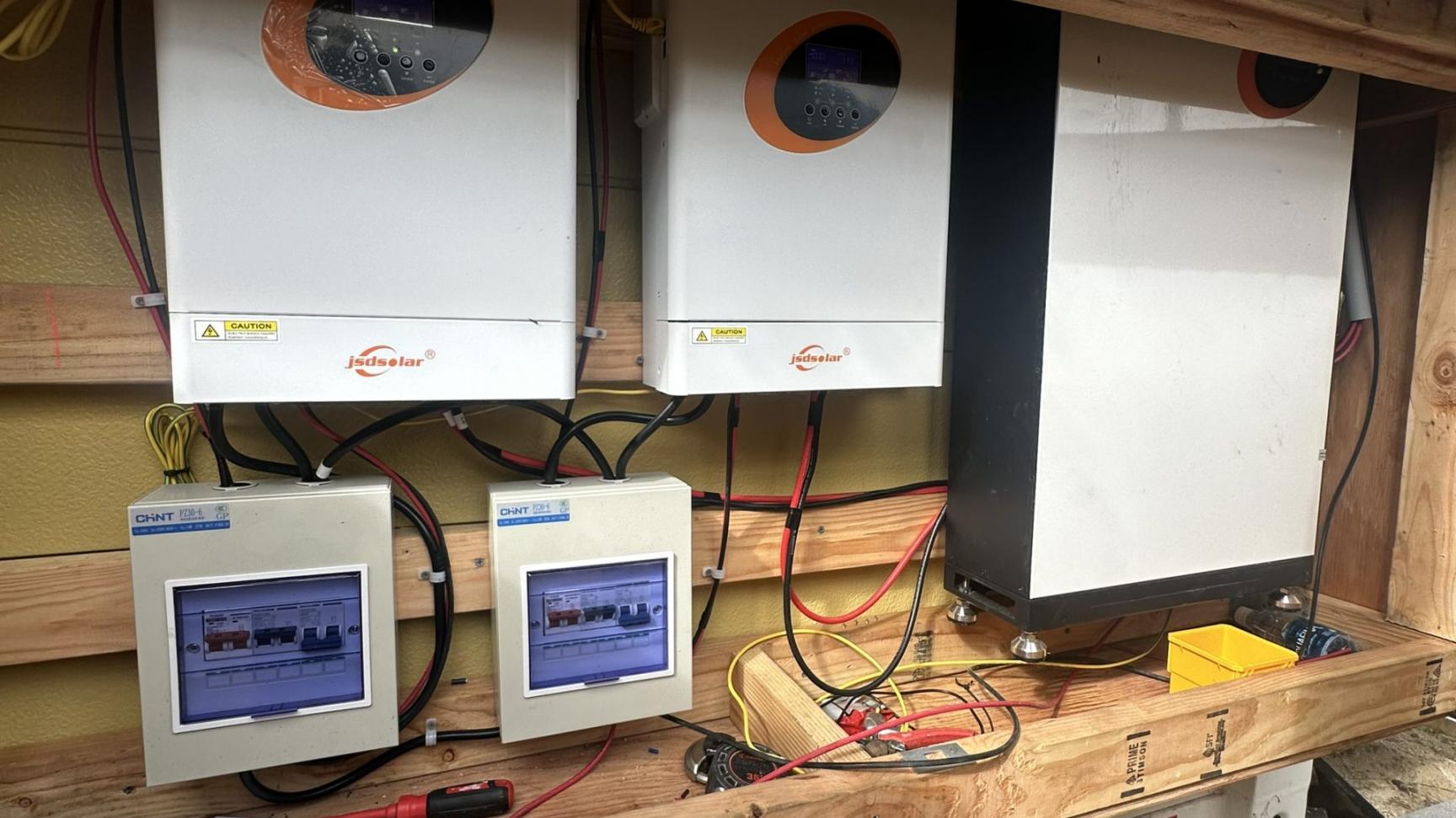
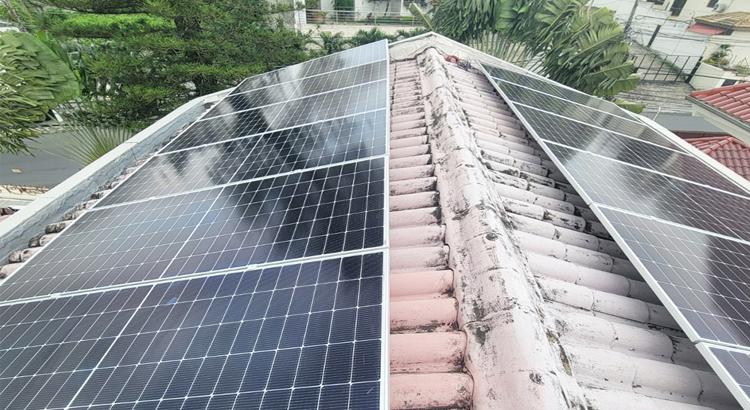
Four different roof sections are available to construct a 12 kW photovoltaic array. Two of the roof sections face in different directions. One of the roof sections is at a steeper pitch. The last roof section is shaded in the afternoons by a nearby structure. The proposed inverter can handle the DC input. Connecting all four strings to two MPPT channels can create electrical mismatches.
Would four independent trackers recover enough energy to justify the configuration?
For Solar Power and Inverter projects with irregular roof geometry, the answer depends less on the number of roof planes than on how their current-voltage characteristics differ throughout the day. At JSDSolar, we recommend examining string electrical behavior before deciding how many MPPT inputs the installation actually needs.
1. Is a Different MPPT Required for Each Roof Orientation?
An MPPT controller adjusts the operating voltage of its connected PV array to locate the point where voltage multiplied by current produces maximum power.
Two strings connected in parallel to one tracker must operate at the same voltage. Their currents add, but neither can independently select its optimum operating voltage.
This distinction is important when evaluating different roof orientations.
East-facing panels may produce substantially less current than south-facing panels at midday. However, if both strings use identical modules and series counts, their maximum-power voltages can remain relatively close. Sharing one MPPT may therefore introduce little electrical mismatch loss.
Different string lengths create a more serious problem. A string containing fewer modules in series generally has a lower operating voltage, even under identical sunlight conditions.
For a four-section roof, the following arrangement provides a starting point:
| Array condition | Electrical concern | MPPT decision |
| East and west, equal string lengths | Different currents; potentially similar Vmp | Shared MPPT may be acceptable |
| Different numbers of series modules | Different optimal operating voltages | Separate MPPTs preferred |
| Permanently shaded roof section | Different I-V curve and bypass behavior | Separate MPPT worth evaluating |
| Different module types | Mismatched voltage and current characteristics | Separate MPPTs generally preferred |
We would not specify four trackers solely because a building has four roof orientations. The annual energy benefit should be established through electrical simulation.
2. How Four MPPT Trackers Respond to Partial Shading
Shading losses depend on whether the affected modules belong to different strings or share the same series circuit.
String-Level Shading
Consider two strings with identical module counts. One receives full sunlight while a chimney shades part of the other.
The shaded string may create its own power-voltage curve. If two strings share a tracker, the inverter has to select a compromise operating voltage based on combined characteristics of the strings.
With separate MPPT channels, each string can operate at its own maximum-power voltage, within the inverter's tracking limits.
This electrical independence can reduce mismatch losses, although it cannot restore the sunlight physically blocked by the chimney.
Module-Level Shading
A more difficult condition occurs when shadows cross cells within one series-connected string.
As irradiance falls, affected cells limit current. Bypass diodes may begin conducting, excluding shaded cell groups from the active series path. The resulting power-voltage curve can contain several local maxima.
An ordinary MPPT algorithm may settle at a lower local peak instead of finding the global maximum.
Four trackers do not eliminate this behavior within individual strings.
Where module-level shading is persistent, engineers should investigate:
• Repositioning modules to avoid the affected roof area.
• Redistributing shaded and unshaded modules into appropriate strings.
• Using compatible module-level power optimizers when their expected energy benefit justifies the additional hardware.
It should be verified from the selected inverter's technical documents rather than assumed from its MPPT count, if global maximum power point tracking capability exists.
3. Can All Four String Configurations Be Accepted by the Inverter?
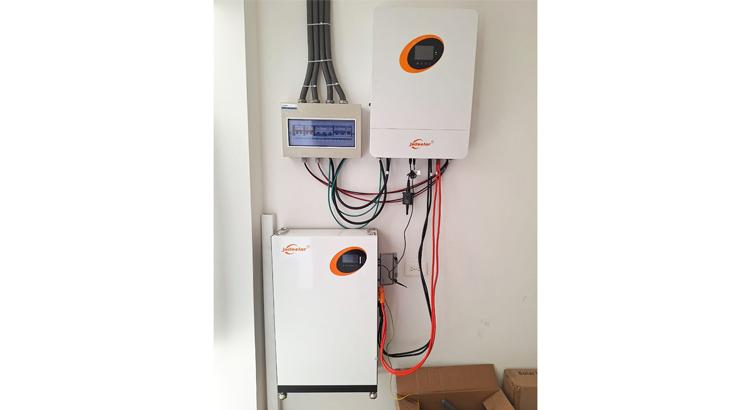
The J8KHP 48V storage inverter from JSDSolar has a maximum PV input power of 12kW and four MPPT trackers.
Its electrical specifications include:
• MPPT operating range: 120–500V
• Maximum DC input voltage: 500V
• Maximum PV input power: 12kW
• Maximum input current: 14A
• Maximum short-circuit current: 20A
• Nominal battery voltage: 48V
• Nominal AC output: 8kVA
Three calculations should be done before writing a purchase order.
✅ Cold-weather Voc: Rise in module open-circuit voltage with decrease in cell temperature. Multiply this temperature-corrected Voc by the number of series modules. This value should be less than the inverter's maximum allowed DC voltage.
✅ Hot-weather Vmp: At increased cell temperatures, voltage operating range of a module is reduced. A short string can operate below the 120V lower tracking boundary, reducing energy conversion.
✅ String current: Expected stringing current and short-circuit current of module should be checked against the limits of the inverter inputs. A parallel string can exceed current limits, even though combined wattage of all the strings is below the inverter's rated PV capacity.
An inverter may have a 12kW input allowance, but that doesn't mean it can continuously export 12kW AC. Its 8kVA nominal AC rating, limits for battery charging, load demand, and grid export limits affect how much PV power is utilized.
4. When Does Four-MPPT Architecture Make Financial Sense?
A four-tracker inverter is not automatically more productive than a two-tracker unit.
Its advantage becomes measurable when electrically different arrays would otherwise share an operating voltage and suffer meaningful mismatch losses.
For relatively uniform roofs, additional MPPT hardware may provide little annual benefit. On complicated roofs, it may eliminate compromises in string grouping and allow shorter or differently oriented arrays to be controlled independently.
We recommend comparing the proposed configurations in PVsyst or an equivalent engineering model using actual module data and roof geometry.
The comparison will focus on:
• Estimated annual AC energy production and electrical mismatch losses.
• Near-shading behavior with respect to position of the sun through the seasons.
• DC/AC ratio and expected inverter clipping.
• Costs of cabling, connectors and installation.
• Additional electronics and long term maintenance.
Pay particular attention to the behavior of each physical tracker in the simulation. Treating four arrays as one equivalent DC input can mask the mismatch behavior that this comparison intends to measure.
5. How Should Four MPPT Inputs be Verified during Commissioning?
An appropriately sized inverter can still give inadequate performance due to incorrect stringing, reversed polarity, substandard connectors or shading that was ignored during design.
Before the power is turned on, string information (i.e. module count, string voltage, string orientation) must be documented as well as the tracker(s) assigned to the string.
While power is being turned on for the first time, the following should be checked:
• Open circuit voltage: Compare measured to expectant based on temperature.
• Tracker operating points: Log individual MPPT voltage, current and power.
• Shading: Inspect unexpected power loss during shading and repeated voltage changes.
• Power limits: Determine if inadequate PV power is due to shading, inverter curtailment, charging the battery, or grid export limits.
One single measurement during midday cannot validate performance of the tracker during the year. Useful measurements must be made during representative periods of the day, week and year.
JSDSolar's J8KHP provides a possible solution for projects requiring multiple roof orientations with its four MPPT storage inverters. Prior sharing your string schedule and module datasheets with JSDSolar, you can verify input compatibility.
FAQs
Q1. Does JSDSolar offer a solar inverter with four MPPT trackers?
Yes. JSDSolar offers the J8KHP 48V storage inverter with four independent MPPT trackers, designed for PV arrays with different orientations and operating conditions.
Q2. What is the MPPT voltage range of the JSDSolar J8KHP?
The J8KHP has a offered MPPT operating range of 120–500V and a maximum DC input voltage of 500V. String voltage must remain within the applicable limits.
Q3. How much solar power can the JSDSolar J8KHP support?
The J8KHP supports up to 12kW of PV input with a nominal 8kVA AC output rating. Actual power utilization depends on loads, battery charging, and operating conditions.
Q4. Can JSDSolar's four-MPPT inverter manage different roof orientations?
Yes. Its four independent trackers allow electrically different PV arrays to operate at separate tracking voltages, helping reduce mismatch losses where appropriate.
Q5. Does a four-MPPT inverter eliminate solar panel shading losses?
No. Separate trackers can reduce mismatch between strings, but they cannot recover blocked sunlight or eliminate module-level shading losses within a series-connected string.


In This Article
- 1 1. Is a Different MPPT Required for Each Roof Orientation?
- 2 2. How Four MPPT Trackers Respond to Partial Shading
- 3 3. Can All Four String Configurations Be Accepted by the Inverter?
- 4 4. When Does Four-MPPT Architecture Make Financial Sense?
- 5 5. How Should Four MPPT Inputs be Verified during Commissioning?
