


Solar Panels on Your Home: Are They Still Worth It in 2026?
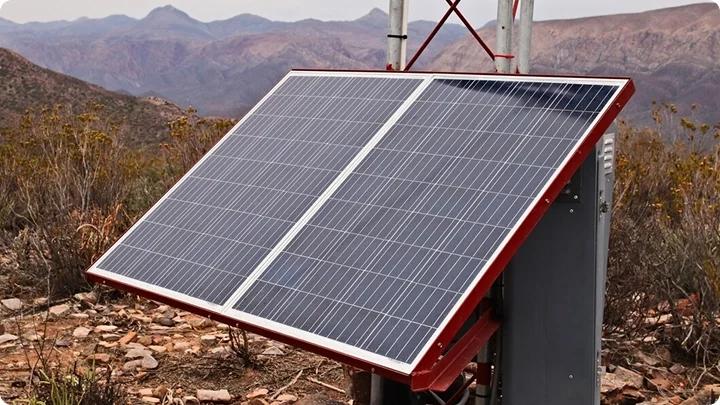

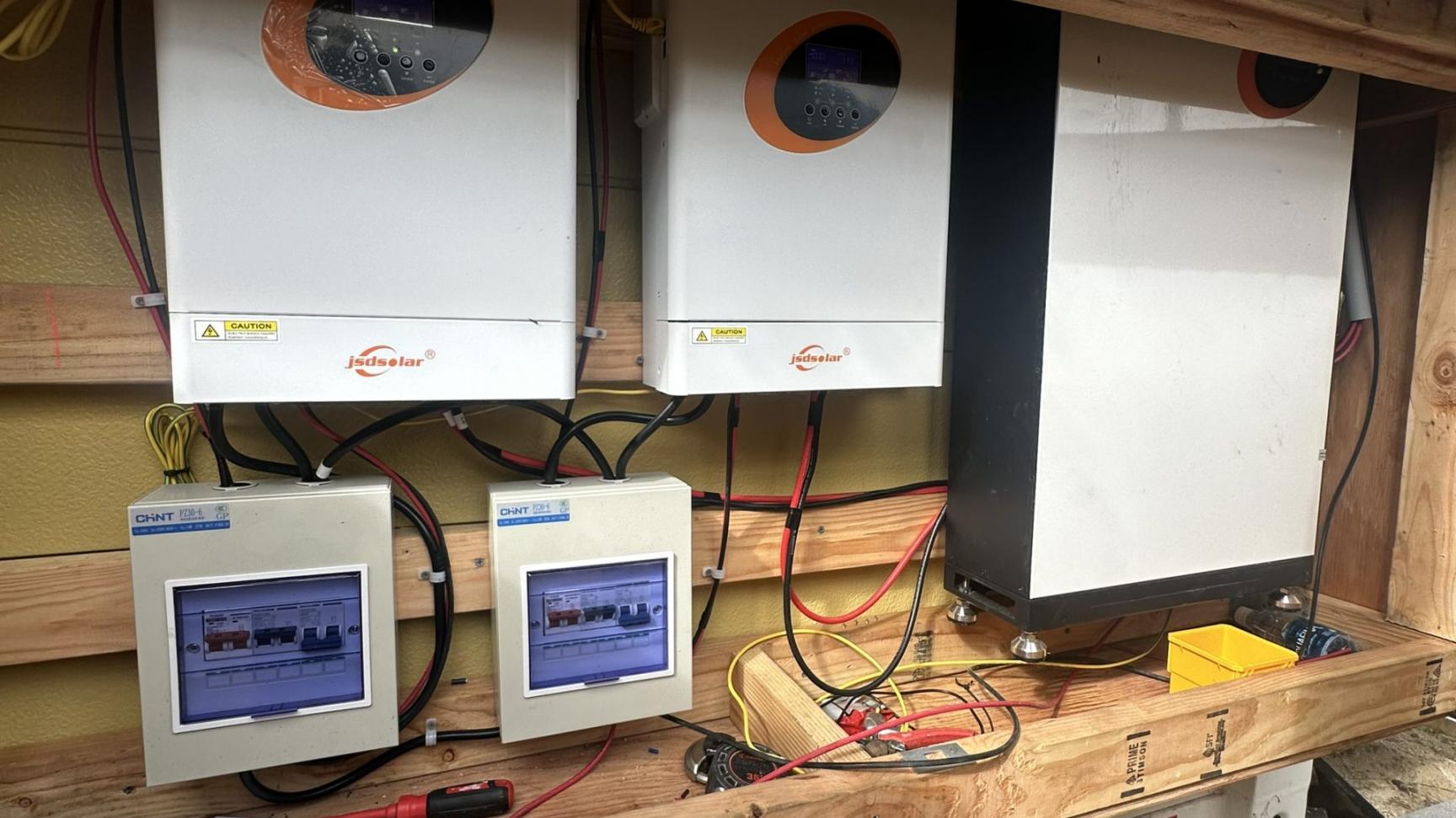
When the homeowner receives a quote for a "6kW solar system," he expects to see 6 kW of rooftop solar generation. However, the quote contains eight 580W solar panels, which yields a total system capacity of 4.64kWp. The 6kW is the maximum load rating of the system. The size of the solar array is the total number of panels in the system.
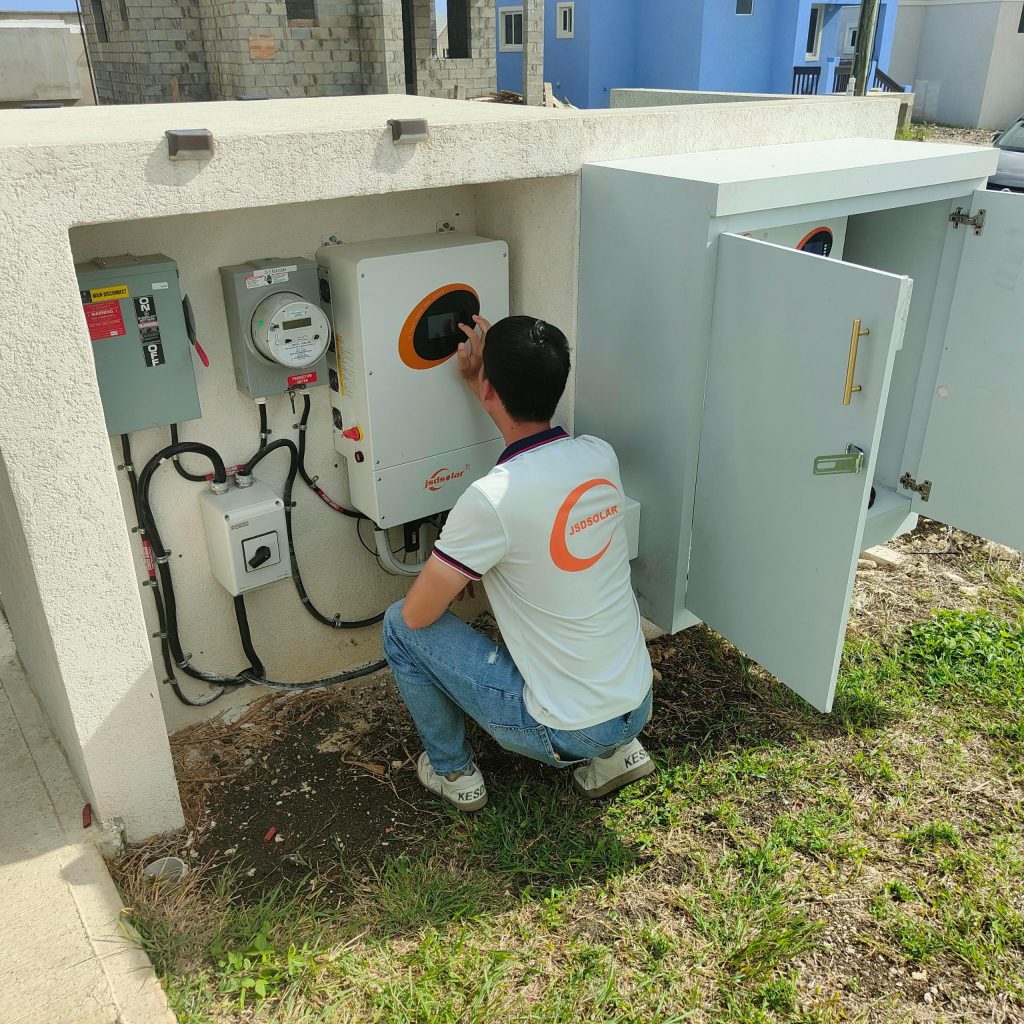
Different system design, energy output, and energy payback results from this distinction. 2026 will require solar installers and distributors to appreciate the actual capacity of the solar panel systems and match that with the homeowner's energy consumption to make an investment case for a solar PV system.
What Makes Residential Solar Worthwhile in 2026?
Electricity Tariffs Matter More Than System Size
In the United States, the federal Residential Clean Energy Credit under Section 25D is no longer available for qualifying residential installations completed after December 31, 2025. New projects must therefore be evaluated without assuming the former 30% homeowner tax credit.
The economics also depend on how utilities compensate exported electricity.
CA's Net Billing Tariff pays more for solar energy exported to the grid than it charges for grid energy imported, although compensation varies by the hour.
There are three main factors that impact an investment's return:
• Daytime Consumption: For the energy sold to the grid, the investment is reimbursed at the retail energy rate.
• Export Compensation: Currently, there is very little financial incentive to export solar energy to the grid, and therefore, the surplus solar energy generated in the afternoons, has little to no value.
• Time-of-Use Pricing: Solar energy generated during the day can be stored in batteries and used in the evenings, but there is a loss in energy during the charging process.
For households that have high daytime energy consumption, it may be better to self-consume than store in a battery.
How Much Electricity Can a 6kW Solar Kit Generate?
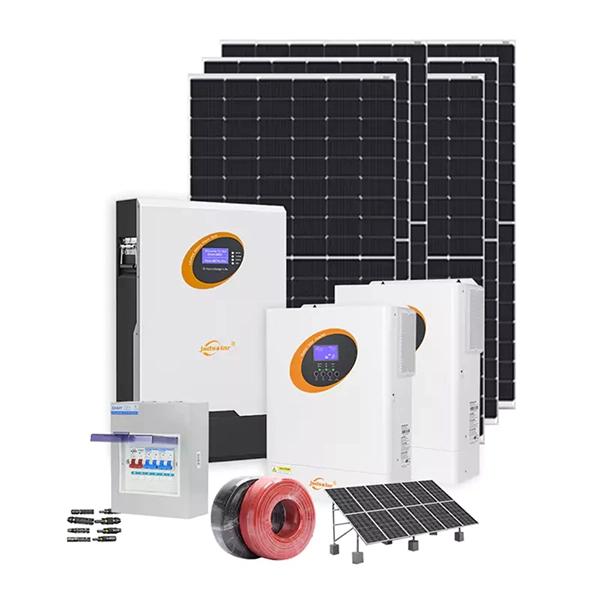
JSDSolar's residential solar kit includes 8 x 580W mono-crystalline solar panels, LiFePO4 battery, a split-phase solar inverter and other electrical balance of system components.
The photovoltaic capacity is:
8 × 580W = 4.64kWp DC
With four equivalent peak-sun hours, the simplified reference calculation gives 18.56kWh before operating losses. It is not a guaranteed daily yield.
Delivered energy is a function of:
• Temperature of PV modules: Higher cell temperature decreases the voltage and maximum power of the module.
• Shading: Partial string shading limits current and bypass diodes are activated resulting in decreased output.
• Conversion efficiency: Losses in the inverter, wiring and batteries decreases the energy delivered to AC loads.
• Roof geometry: Tilt and azimuth affect when solar energy is generated and not just the annual total.
Engineering proposals must be modeled using the site's hourly solar resource data and validated equipment parameters.
The JSDSolar product page also presents differing daily production figures. These should be reconciled against the final array configuration and site-specific simulation before being used in contractual performance estimates.
Are Solar Panels on Your Home Still a Good Investment?
The financial calculation should distinguish energy consumed onsite from electricity exported.
Consider a hypothetical grid-connected installation producing 6,500kWh annually, with an avoided retail electricity rate of $0.25/kWh and an export credit of $0.05/kWh.
| Self-consumption | Energy used onsite | Energy exported | Annual energy value |
| 40% | 2,600kWh | 3,900kWh | $845 |
| 60% | 3,900kWh | 2,600kWh | $1,105 |
| 80% | 5,200kWh | 1,300kWh | $1,365 |
Illustrative assumptions only; not verified JSDSolar output figures or actual utility tariffs. Export revenue requires an approved grid-connected configuration.
According to the example, self-consumption of 40% would mean an annual value of $520 for the electricity produced. Increasing self-consumption to 80% would mean an additional $520 value. This example is given as is, to illustrate the importance of self-consumption and the value of solar energy. The importance of self-consumption increases as the system gets larger and the installation costs decrease.
What Determines the Actual Payback Period?
The following aspects are considered:
• Additional costs in the installation process like mounting, electrical protection, permits, labor, etc.
• Replacement of the inverter and battery degradation
• Costs of financing and maintenance.
• The warranty of the equipment.
Photovoltaic (PV) degradation, future costs of electricity, non-bypassable charges, and fixed costs.
Discounted Cash Flow is more adequate than simple payback for long term comparisons.
Does LiFePO4 Battery Storage Improve Solar ROI?
JSDSolar mentions a LiFePO4 battery configuration of 48V/51.2V and 200Ah. Nominal storage of this configuration would be in the range of 9.6 to 10.24 kWh.
Nominal storage does not mean usable AC energy. Other factors, such as battery management limits, discharge depth, inverter efficiency, and reserved capacity, affect this as well.
Battery Sizing Depends on the Operating Objective
| Requirement | Engineering consideration | Main limitation |
| Evening load shifting | Usable capacity and round-trip efficiency | Cycling losses and battery cost |
| Emergency backup | Essential load demand and discharge power | Starting surge and backup reserve |
| Increased self-consumption | Hourly surplus solar production | Insufficient daily charging opportunities |
For example, supplying a continuous 1kW essential load for six hours requires 6kWh of AC energy. The battery must deliver additional DC energy to cover inverter losses.
Storage also imposes operational and thermal limitations. Battery management systems (BMS) are designed to protect batteries, but can also be triggered by stress outside the permitted operating conditions. For example, charging batteries outside the permitted temperature range can trigger the BMS to protect the battery.
A battery should be sized based on the expected load (with backup) and not matched to the inverter's power.
What Should Buyers Verify Before Ordering a Residential Solar System?
At JSD Solar, we recommend verifying system compatibility before comparing quotations based on price per kilowatt.
Electrical and Installation Checks
• PV String Design: Check the design of the string supports open-circuit conditions, and extreme cold. Verify MPPTs/inverters can track the voltage in the system operation range. Determine the limits of input current.
• Inverter Selection: Verify the system supports the rated continuous and surge AC output of the inverter. Verify the modes of phase and grid interconnection that the inverter supports.
• Battery Module Integration: Ensure the BMS protocol is supported. Set limits of battery discharge. Set lower operating limit (temperature).
• Mounting: Roof structure must support the weight and wind loads of the system. Evaluate maintainability.
• Compliance Documentation: Provide applicable test reports, certification, warranties and installation instructions for the provided equipment.
A hybrid inverter is not always approved for grid export or operation during outages. These features depend on the model of the hybrid inverter and the protection system and the local interconnection requirements.
Assess Your Residential Solar Project With JSDSolar
The savings from Solar panels on your home in 2026 are likely to be positive, especially if you have high onsite consumption and if your Solar installation costs are controlled. Assessing the value of a battery requires considering differences in tariffs, the usable storage, and the requirements for backup.
JSDSolar offers a 6kW residential solar kit including monocrystalline solar panels, a LiFePO4 battery, and a hybrid inverter.
For project specific systems and configurations, contact JSDSolar for review.
FAQs
Q1. Are solar panels on your home still worth it in 2026?
Yes, depending on electricity rates, installation costs, and self-consumption. JSDSolar's residential solar kits combine PV generation and battery storage, allowing homeowners to reduce grid purchases when properly configured.
Q2. How much solar panel capacity does the JSDSolar 6kW kit include?
The JSDSolar 6kW kit includes eight 580W monocrystalline panels, providing 4.64kWp of rated DC capacity. The 6kW specification refers to maximum load power, not PV array capacity.
Q3. How much electricity can JSDSolar's 6kW solar kit generate daily?
Output depends on irradiation, temperature, shading, and system losses. JSDSolar lists different production estimates on its product page, so buyers should request a location-specific energy yield calculation.
Q4. What battery is included in JSDSolar's residential solar kit?
The configuration uses a 48V/51.2V 200Ah LiFePO4 battery, providing approximately 9.6–10.24kWh of nominal storage. Actual usable capacity depends on BMS limits, discharge settings, and inverter efficiency.
Q5. Can JSDSolar's solar kit power a home during an outage?
It is designed to support battery backup applications. Actual backup capability depends on inverter configuration, transfer equipment, battery discharge limits, and the connected household loads.


