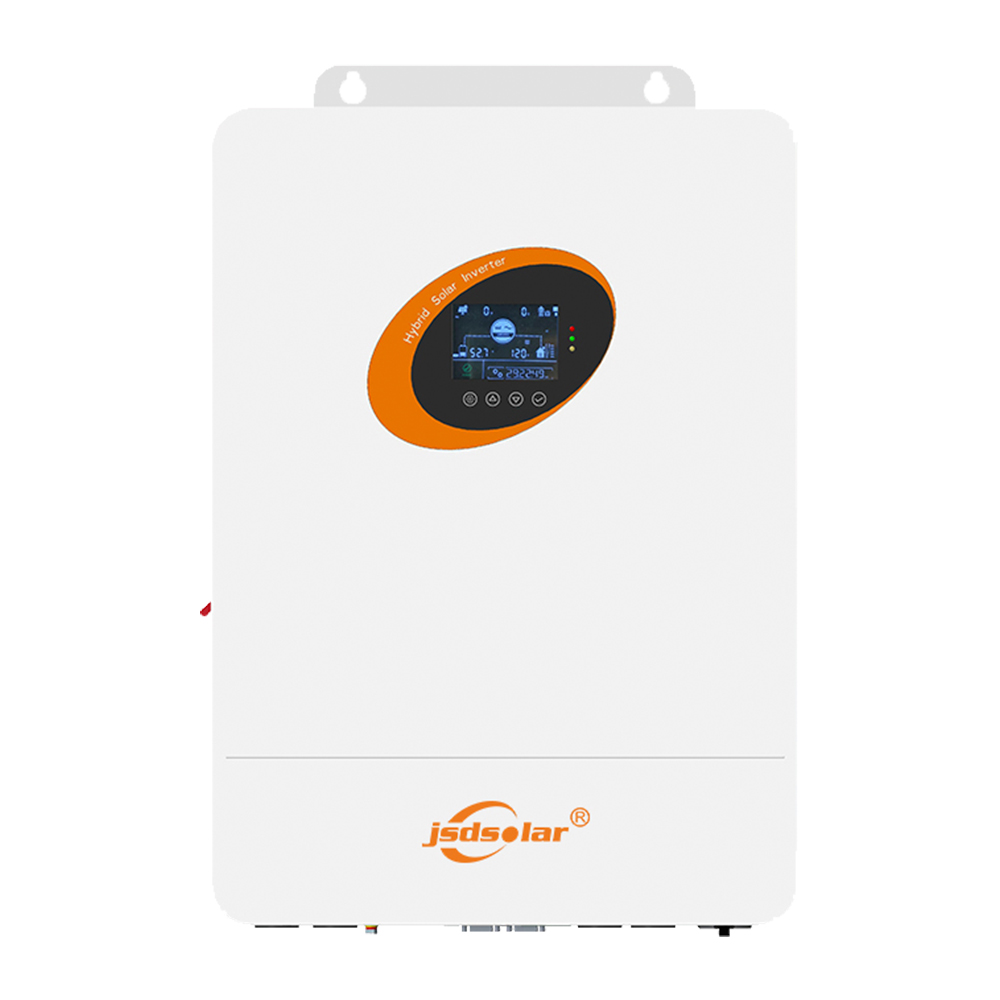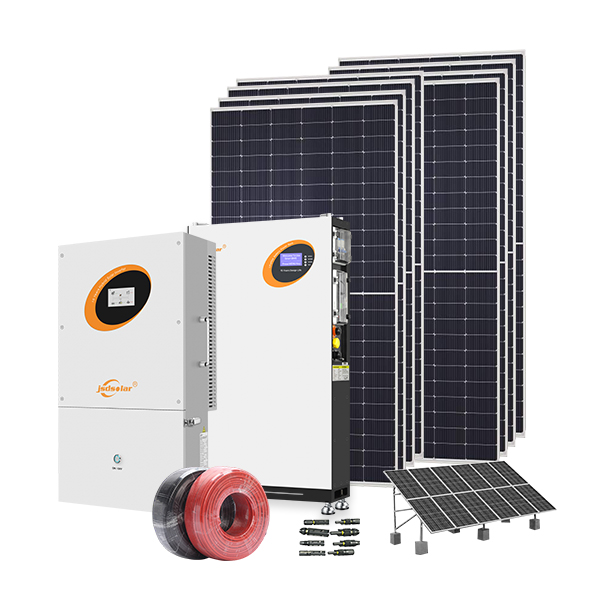


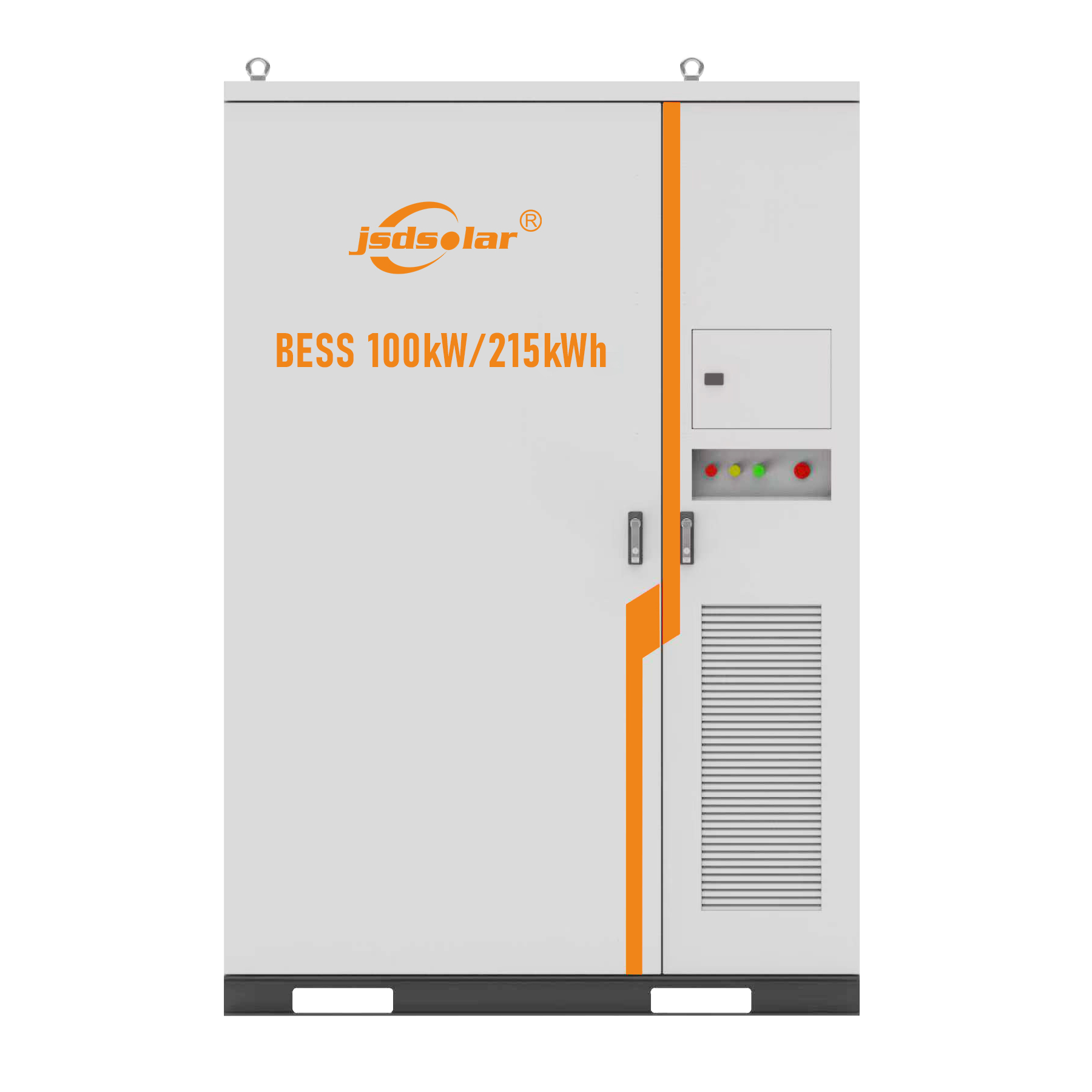
Jsdsplar 100kW/215kWh Outdoor Power Conversion System (PCS) Battery Energy Stotage System, DC Coupling Mode
100kW/215kWh BESS | PCS Solution | Intelligent Air Cooling | Outdoor Cabinet ESS
Key features
- DC/DC Power Module designed for off-grid scenario to charge battery directly
- Peak shaving and valley filling
- Frequency and voltage modulation for grid
- Modular design allows replace energy storage modules without disassembling
- Smart air cooling and heptafluoropropane fire protection
- Smart EMS energy management system
SEND INQUIRY

Download Sheet

Back to Product List
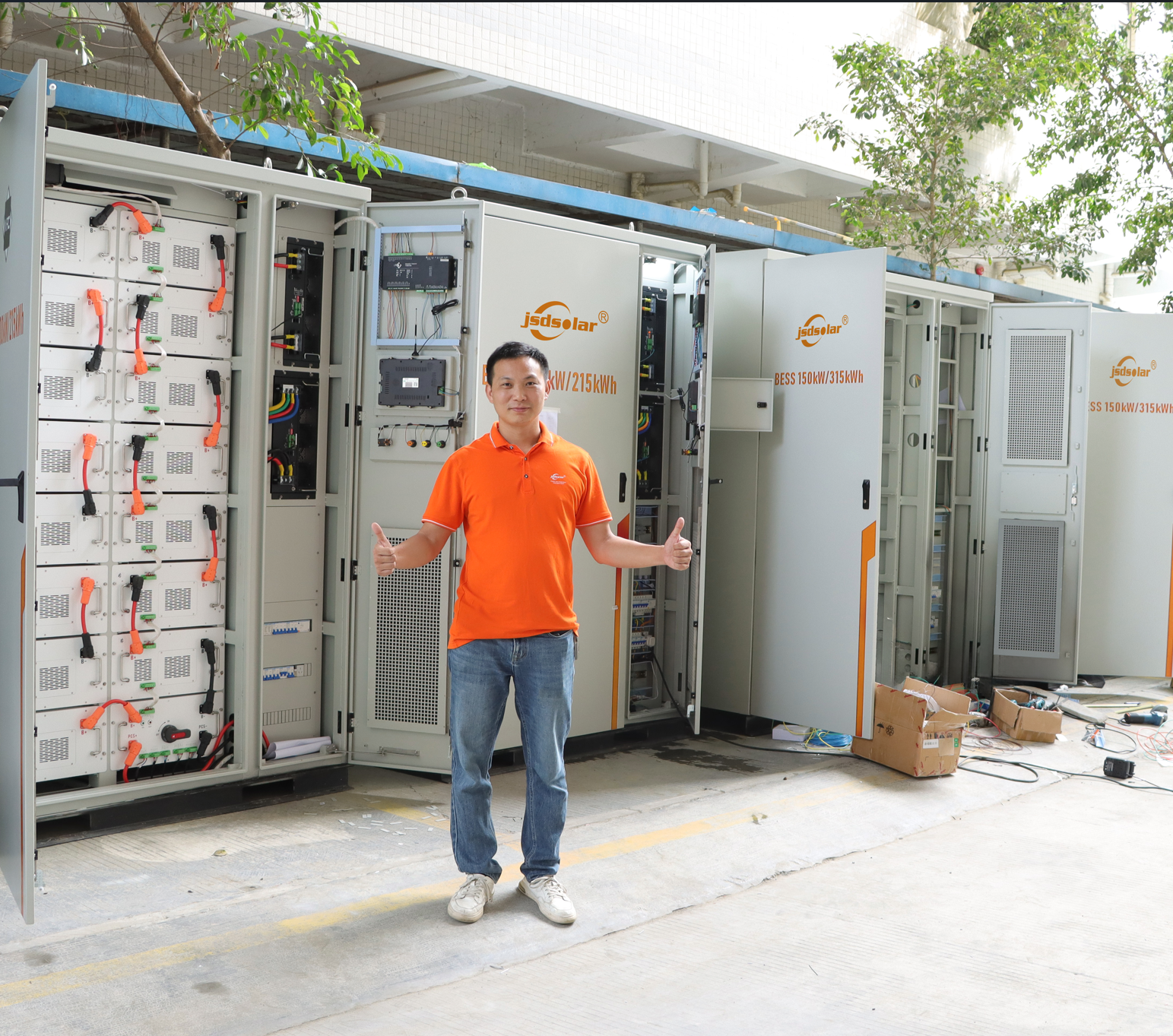
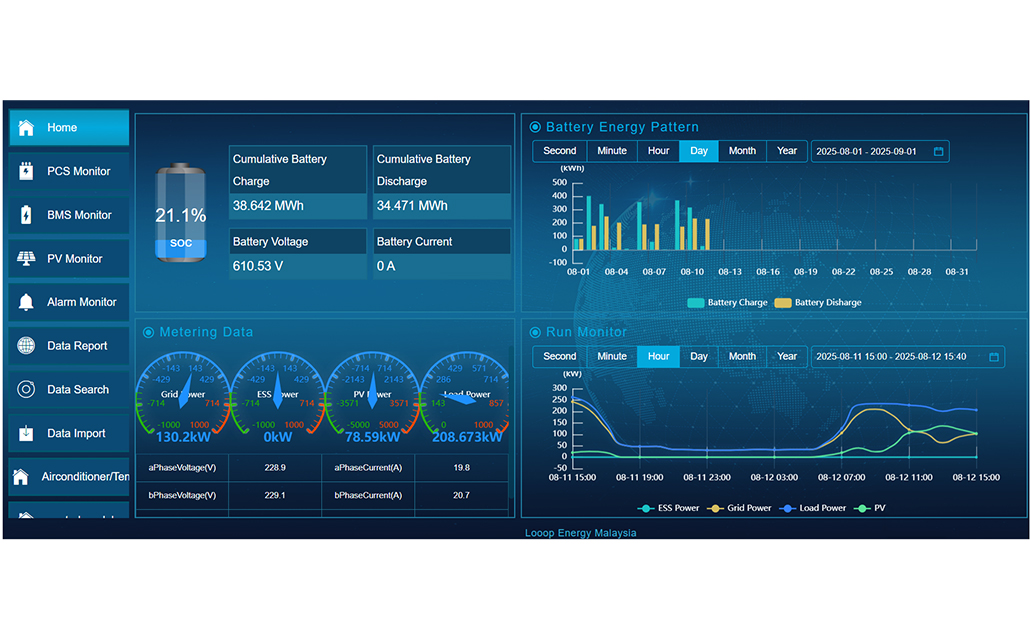
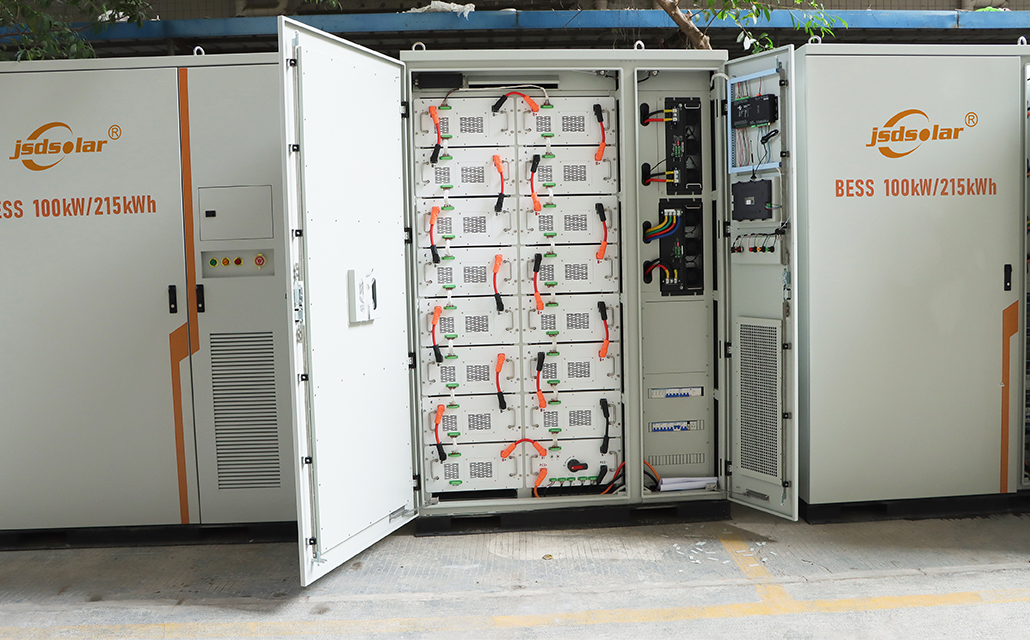

Modular Energy Storage System for Commercial Solar Applications
Modern energy projects require flexible storage architectures that can adapt to different power demands, operating environments, and expansion plans. The battery energy storage system combines battery modules, power conversion equipment, and intelligent control functions into a coordinated platform for storing and managing renewable energy. Designed for commercial and industrial scenarios, the system helps balance energy production and consumption while providing additional power support when required.
C&I Battery Storage Solution With Scalable ESS Architecture
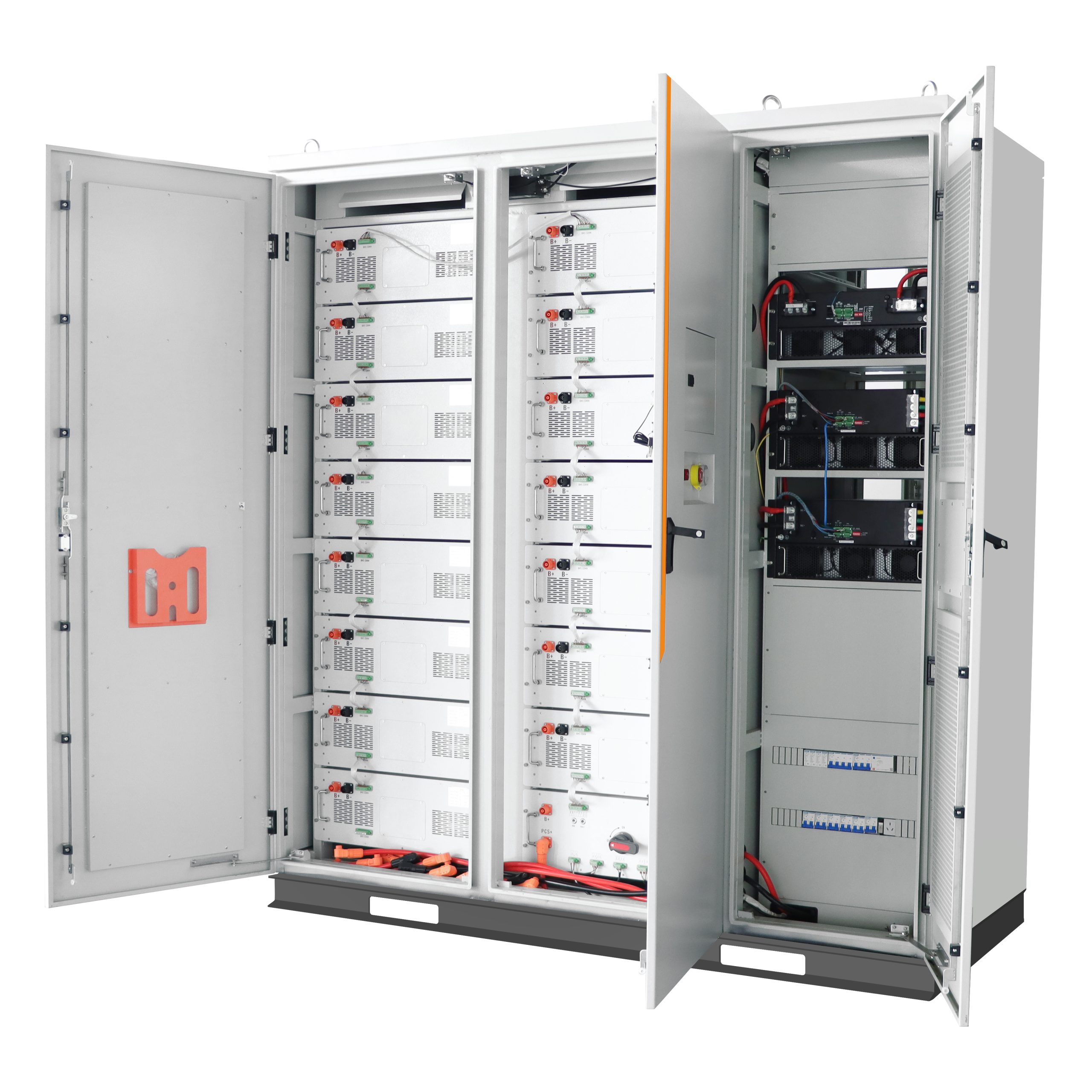
A modular design allows storage capacity and power output to be configured according to project requirements. The system architecture supports multiple battery units working together, creating a flexible foundation for solar integration, peak demand management, and backup power applications.
- Modular battery configuration for flexible capacity expansion
- Supports integration with solar generation and renewable energy systems
- Intelligent energy management for charging and discharging control
- Compatible with multiple inverter and power conversion platforms
- IP54 protection design for demanding installation environments
- Supports parallel operation for larger storage requirements
- Suitable for commercial and industrial energy applications
The system manages energy flow between renewable generation, battery storage, and connected loads. During periods of high solar production, excess electricity can be stored for later use. When electricity demand increases or renewable output decreases, stored energy can provide additional power support.
Industrial Battery Storage Platform With Flexible System Integration
Large energy storage projects require compatibility between different electrical components. The battery storage platform supports communication between battery modules, inverters, and monitoring systems, allowing coordinated operation across the complete energy chain.
The modular structure simplifies system expansion because additional storage capacity can be added according to future requirements. Battery cabinets from different configurations can be integrated without redesigning the entire energy architecture, helping reduce complexity during project development.
Reliable Solar ESS Solution For Long-Term Energy Management
Environmental conditions can influence energy storage performance, especially in outdoor or semi-outdoor installations. The enclosure design provides protection against dust and moisture exposure, supporting stable operation in different application environments.
Energy storage systems also require accurate monitoring of temperature, charging status, and operating conditions. Intelligent control functions help maintain safe operation while improving coordination between storage units and connected energy equipment.
With its modular architecture, scalable storage capability, and flexible system compatibility, the battery energy storage system supports commercial solar projects, industrial power management, and renewable energy integration. JSDSolar provides ESS configuration support covering battery capacity planning, inverter compatibility, system design, and project-specific energy requirements.
Technical Data
| Categories | Specifications | Description |
|---|---|---|
| AC Parameters (off grid) | Max Output Power | 110kW |
| Rated Output Power | 100kW | |
| Rated Voltage | 400VAC | |
| Voltage Range | 340~460V | |
| Rated Current | 144A | |
| Rated Frequency | 50Hz/60Hz | |
| Frequency Range | 45-55Hz/55-65Hz | |
| Cable Connection | 3W+PE (+N) | |
| THDi | <3%(Rated Power) | |
| Power Factor | >0.99(Rated Power) | |
| Power Factor Adjustable Range | 1(settable 0.8Leading~0.8Lagging) | |
| On/Off Switch Time | 15ms(Option) | |
| Max Output Power | 110kW | |
| Rated Output Power | 100kW | |
| Rated Voltage | 400VAC | |
| Rated Frequency | 50Hz/60Hz | |
| Cable Connection | 3W+N+PE | |
| THDU | <1%linear; <5%non-linear | |
| Output Over load | 110kW | |
| DC Parameters | Cell type | LFP-3.2V-280Ah |
| Rated Battery Capacity | 215.04kWh | |
| Nominal Voltage | 768Vdc | |
| Voltage Range | 600V~876V | |
| Charge & Discharge Rate | Max.0.5C | |
| Cooling Method | Intelligent Air Cooling | |
| Max Input Power | 120kW or(30kW+30kW+30kW+30kW) | |
| MPPT | PV Max Input Voltage | 730V |
| MPPT Working Voltage Range | 350~900V | |
| MPPT Working Voltage Range @ Full Load | 450~850V | |
| MPPT Max Input Current | 200A Or (50A+50A+50A+50A) | |
| MPPT Number | 1or 4 | |
| System Parameters | EMS | Support |
| Storage Temperature | -20~55℃ | |
| Operating Humidity Range | 0~95%RH | |
| Ingress Protection | IP54 | |
| Working In Parallel No. | 15 | |
| Communication | RS485,CAN | |
| Dimension(DWH) | 176012482350mm | |
| Weight | 2800KG |
Solar Energy Cases
Common Questions
-
What’s a battery energy storage system(BESS)?
-
A battery energy storage system (BESS) stores energy in rechargeable batteries. A system typically has battery cells, modules, racks, inverters, and control systems. BESS are installed for many reasons, like to support the electrical grid, integrate renewable energy, or provide backup power to critical infrastructure.
-
Which kind of BESS(outdoor or indoor) is recommended?
-
Deye’s indoor BESS solution is more cost-effective, but with constraints: its PV input is capped at 65kW, load power at 50kW, and it has installation limits (e.g., high-temperature and fire safety requirements). It is better suited for large residential loads and small industrial/commercial loads. In contrast, PCS outdoor energy storage cabinets enable utility scale possible via parallel connection. Unlike Deye BESS, which uses AC coupling, PCS cabinets can charge batteries directly through DC/DC power modules and feature frequency and voltage regulation—making them ideal for regions with unstable power supply. Additionally, PCS outdoor cabinets have few installation constraints, and their modular design simplifies after-sales maintenance.
-
How does your BESS work?
-
Solar PV panels convert light into DC power, processed by DC/DC modules to adjust voltage to the 750V DC bus (matching energy storage) and enable Maximum Power Point Tracking (MPPT) for maximum PV efficiency. Outdoor energy storage cabinets with forced air cooling contain battery packs and a Power Conditioning System (PCS): surplus PV/grid off-peak power charges batteries via PCS during charging, while batteries release DC power (inverted to AC by PCS) during PV shortage/grid outage/peak prices. The PCS-inverted AC connects to a 400V AC bus (an “energy hub”) via a transformer, linking a diesel generator (backup for grid outage + insufficient storage), the public grid (for surplus power feed-in or off-peak charging/supply), and loads (priority important loads + general AC loads). The Energy Management System (EMS) acts as the control core, enabling remote real-time monitoring of PV generation, battery status, grid/diesel operation, and load power, and intelligently scheduling energy flow based on sunlight, grid status, load demand, and price periods—prioritizing PV for loads and storage charging, using storage then diesel during grid outages, and securing important loads by cutting general ones if needed. Through “PV self-generation + energy storage backup + diesel emergency + grid complementarity”, the system maximizes power supply reliability, typical for scenarios requiring high stability like data centers, hospitals, and critical industrial production lines.
-
Can your BESS work with other fuel sources?
-
Yes, energy storage systems are technology- and fuel-neutral. Battery systems can be charged by renewable energy sources, or can be charged directly from the grid. Electricity from the grid can be generated by any number of technologies, including renewables like solar as well as oil, natural gas, and mostly diesel.
-
How long does your BESS battery last?
-
Batteries typically have a lifespan of at least 20 years, however depending on usage, the batteries may still have usable capacity after 20 years.
-
Any good do your BESS do for communities?
-
Battery energy storage systems are beneficial for communities because of a whole range of indirect benefits they generate. They support energy independence by reducing local reliance on traditional fossil fuels and imported fuel sources to be reduced, and they also make the power grid more efficient and stable, protecting it from malfunctions or blackouts. Energy storage improves energy security and maximizes the use of low-cost, home-grown renewable electricity.
Get Free Quote
Our sale team will give full support and price you needed. We are more than happy to answer your questions within 24 hours.
SEND INQUIRY